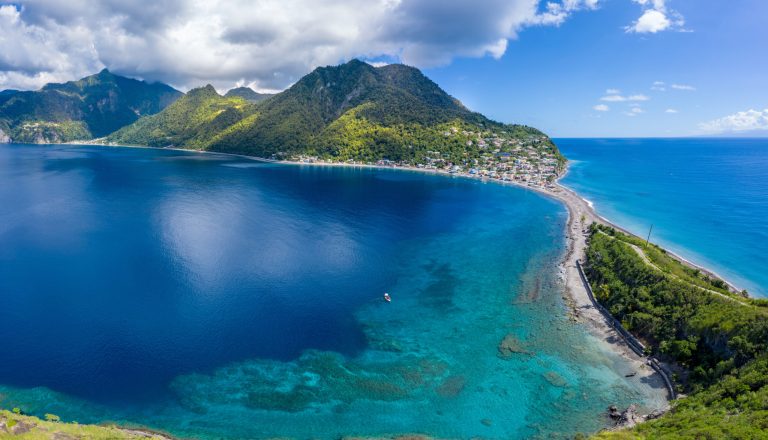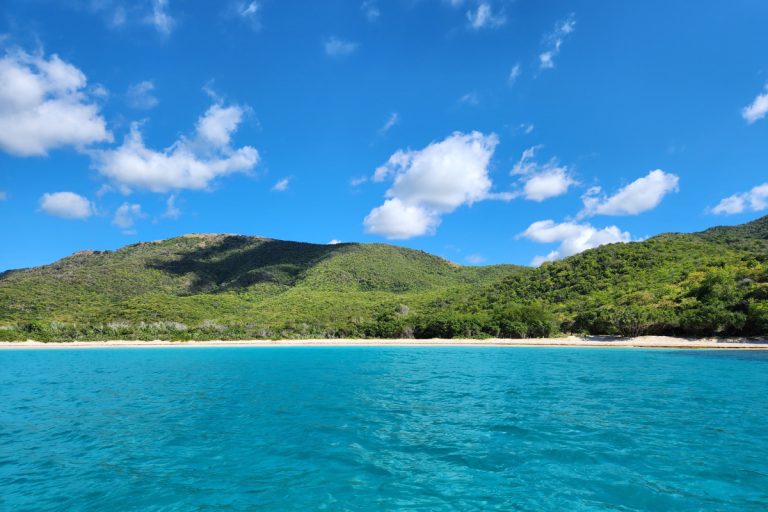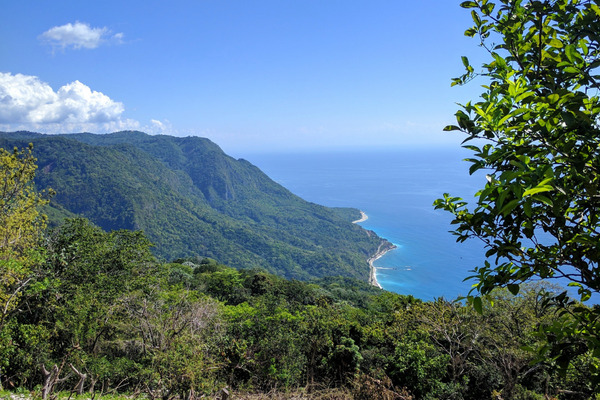
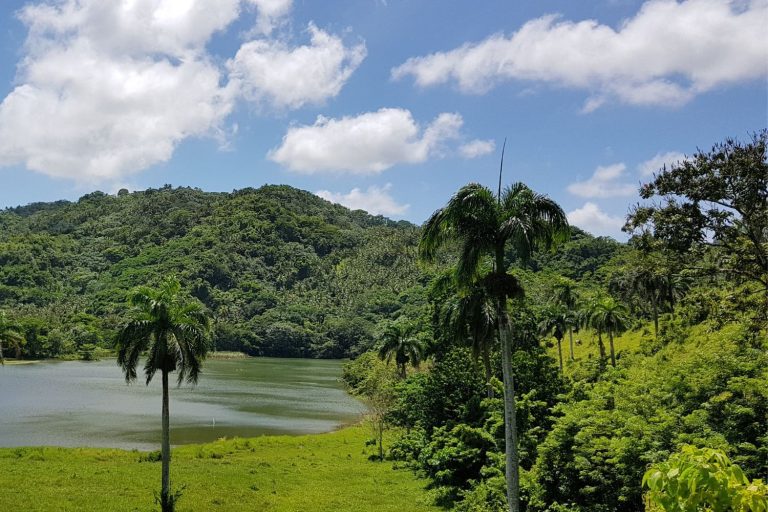

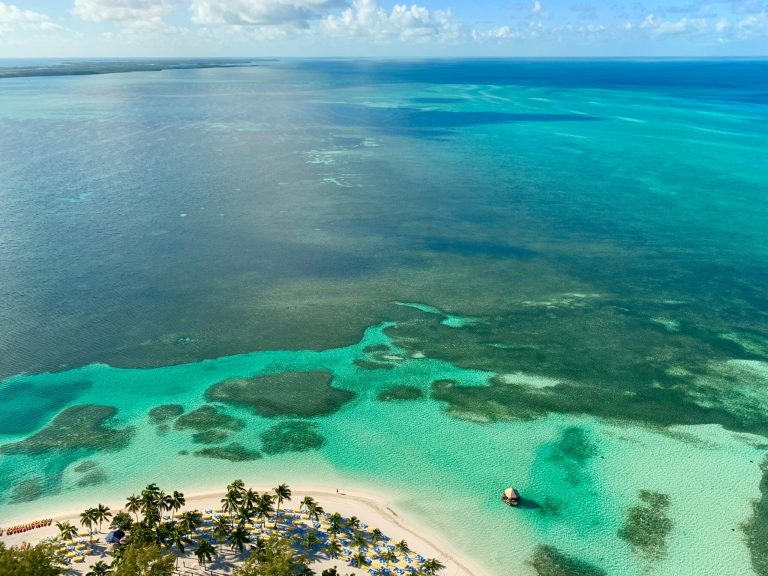
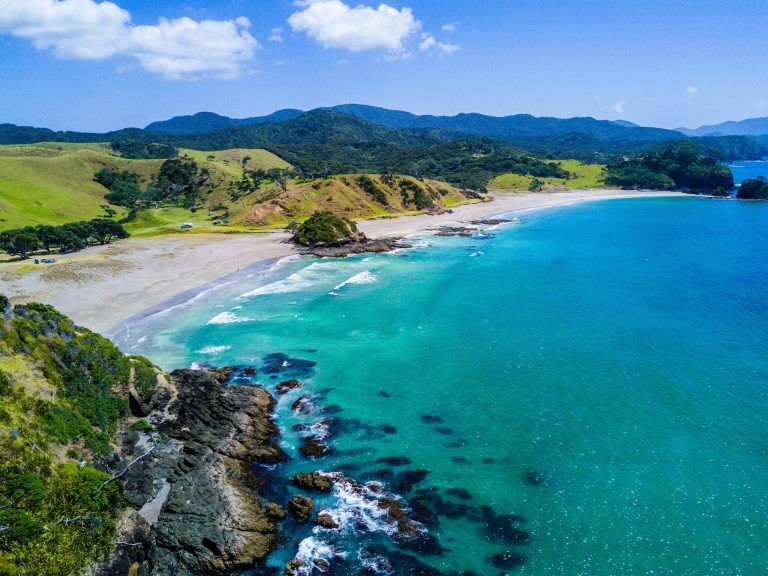

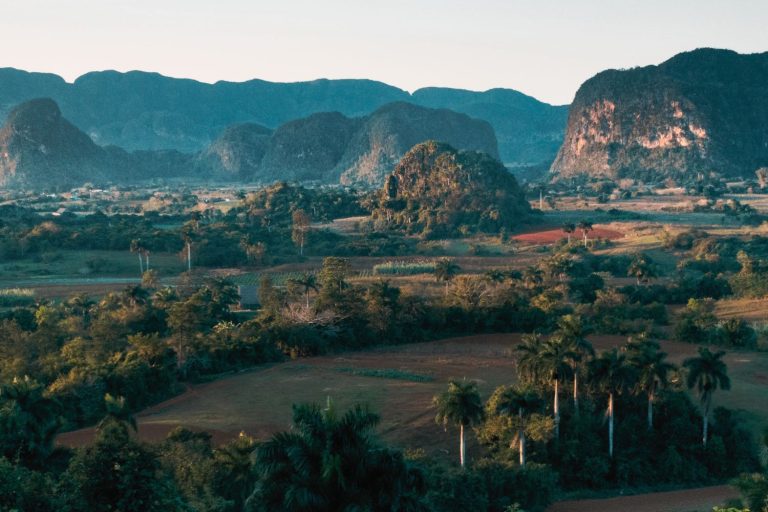
Home to some 6,000 species of vascular plants with rich fauna made up of birds, invertebrates, amphibians, reptiles and mammals, the endemism of the Dominican Republic is the highest in the Antilles. Through sustainable financing, the Caribbean Biodiversity Fund improves the management of marine protected areas in the country.
We invest in initiatives that ensure the long-term health and sustainability of Dominican Republic unique natural landscapes, both on land and at sea.
Collaboration is key. The CBF works alongside experienced Dominican Republic organizations to leverage local expertise and empower communities to become stewards of their environment.
The CBF supports the expansion of Dominican Republic network of protected areas, creating safe havens for its remarkable biodiversity.
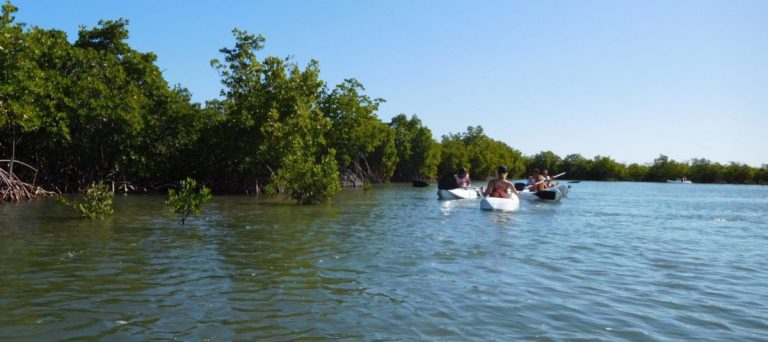
Source: Mangroves in Montecristi, Dominican Republic. Photo by seacolory.org
This landmark initiative, established with CBF support, provides a dedicated funding stream for environmental and natural resource management in the Dominican Republic. Fondo MARENA serves as a crucial pillar for long-term conservation efforts, ensuring a sustainable future for the island's remarkable biodiversity.
The formalization of our collaboration in 2016 solidified our commitment to supporting conservation in the Dominican Republic. This agreement establishes a framework for coordinated and impactful conservation efforts, maximizing the impact of our combined resources.
The CBF's dedicated financial resources have played a pivotal role in supporting conservation efforts throughout the Dominican Republic. These investments have empowered local partners and enabled the implementation of critical projects that safeguard the island's unique ecosystems.
This website uses cookies to ensure proper functionality and to collect anonymous statistics that help us improve our services. We do not use cookies for advertising or marketing purposes. By continuing to use this website, you consent to the use of cookies as described in our Cookie Policy.