On an island often celebrated for its reggae rhythms, sun-drenched beaches, and rich heritage, the National Conservation Trust Fund of Jamaica (NCTFJ) is working with government, civil society, and communities to turn national conservation goals into on-the-ground action.
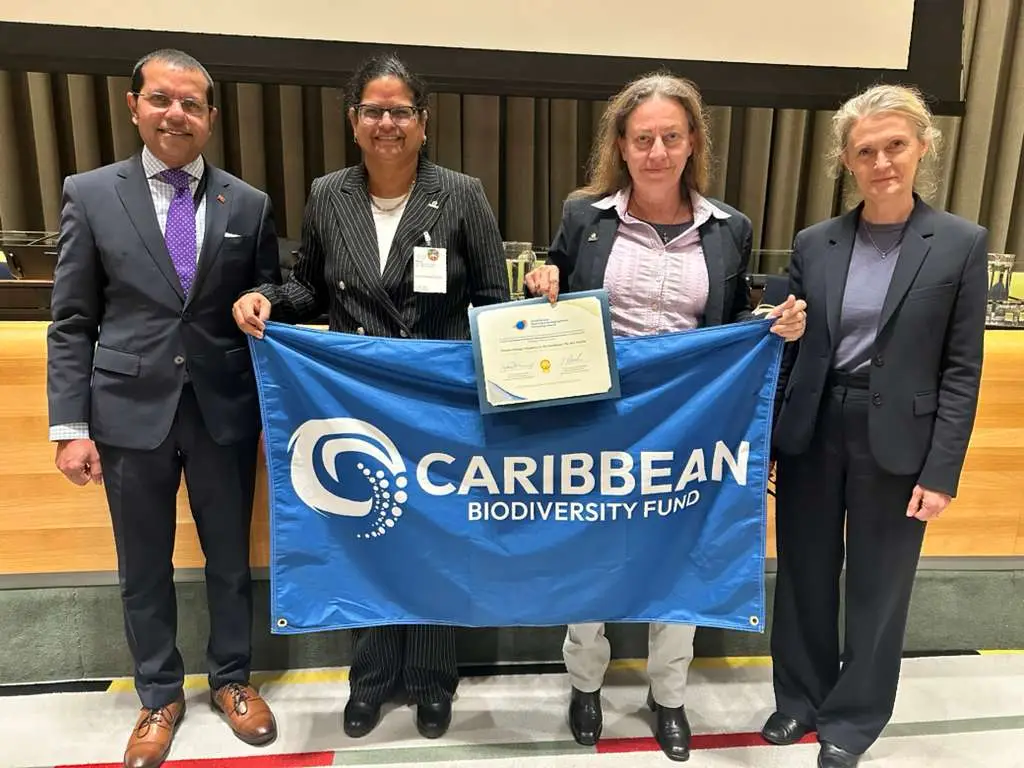
Backed by regional partners, including the Caribbean Biodiversity Fund (CBF), NCTFJ has been scaling financing and technical support for community-rooted conservation since its establishment in 2014. Through a partnership with CBF, the NCTFJ has channeled just over USD 1 million to more than 25 projects throughout Jamaica since 2020. These projects have supported ecosystem restoration, sustainable livelihoods, and community engagement — all necessary components for building long-term environmental resilience.
On the ground: Growing resilience in Jamaica’s buffer communities
In communities surrounding Jamaica’s protected areas, conservation is increasingly linked to livelihoods in tangible ways. In the Blue and John Crow Mountains region, NCTFJ has supported initiatives that equip local communities with the tools to adapt and thrive in the face of environmental and economic pressures.
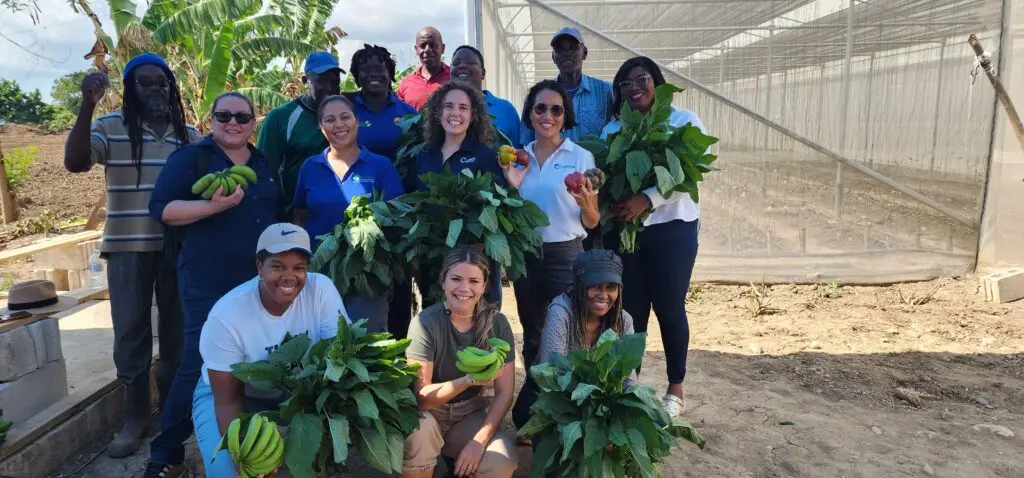
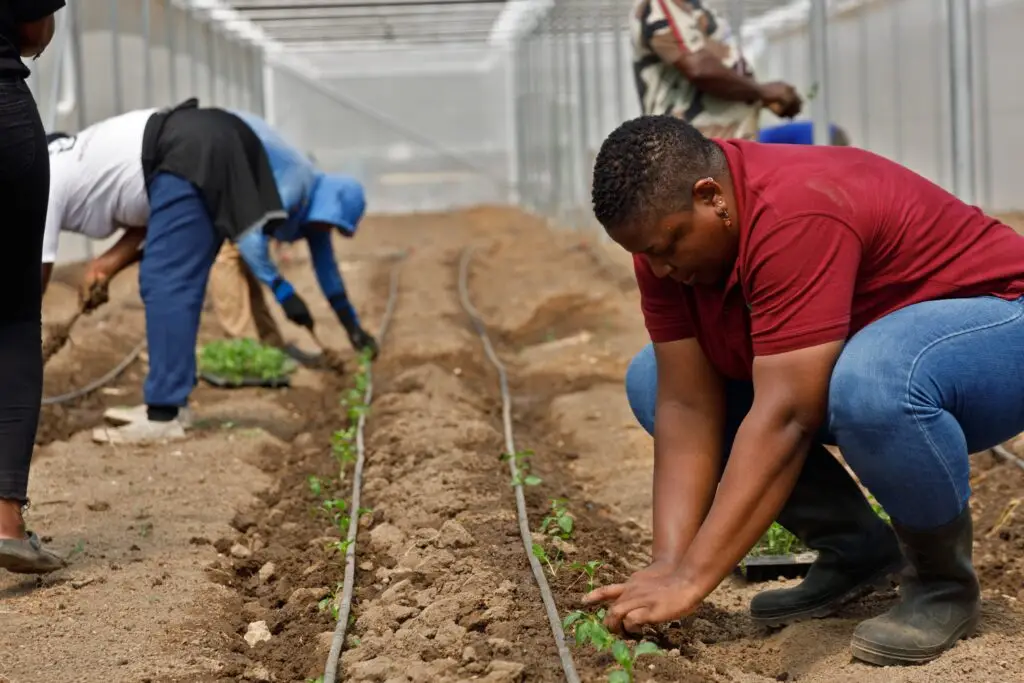
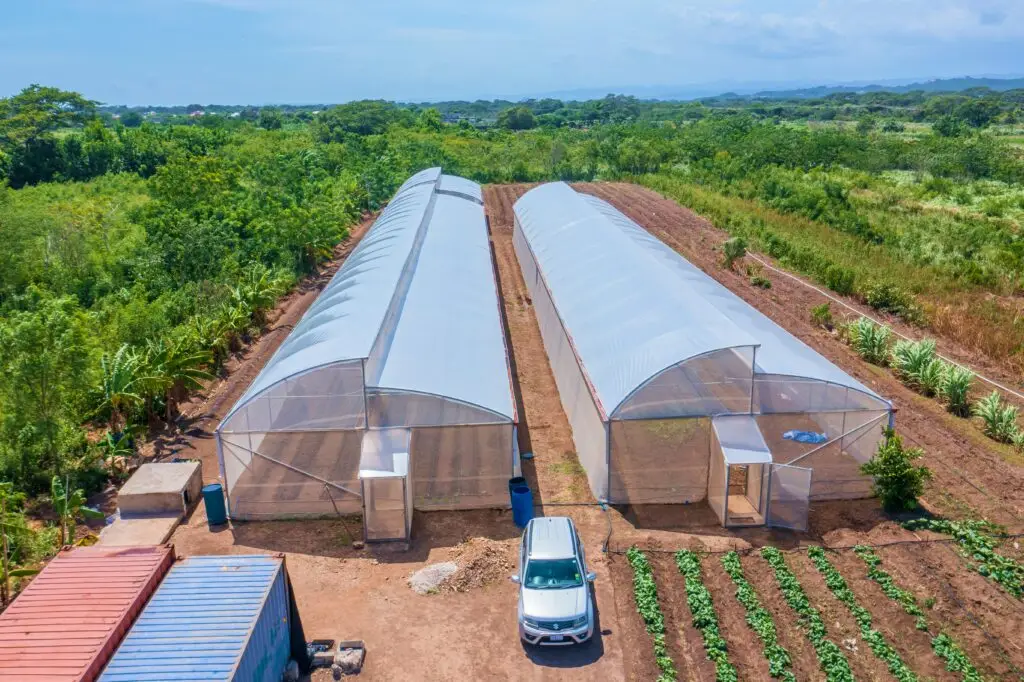
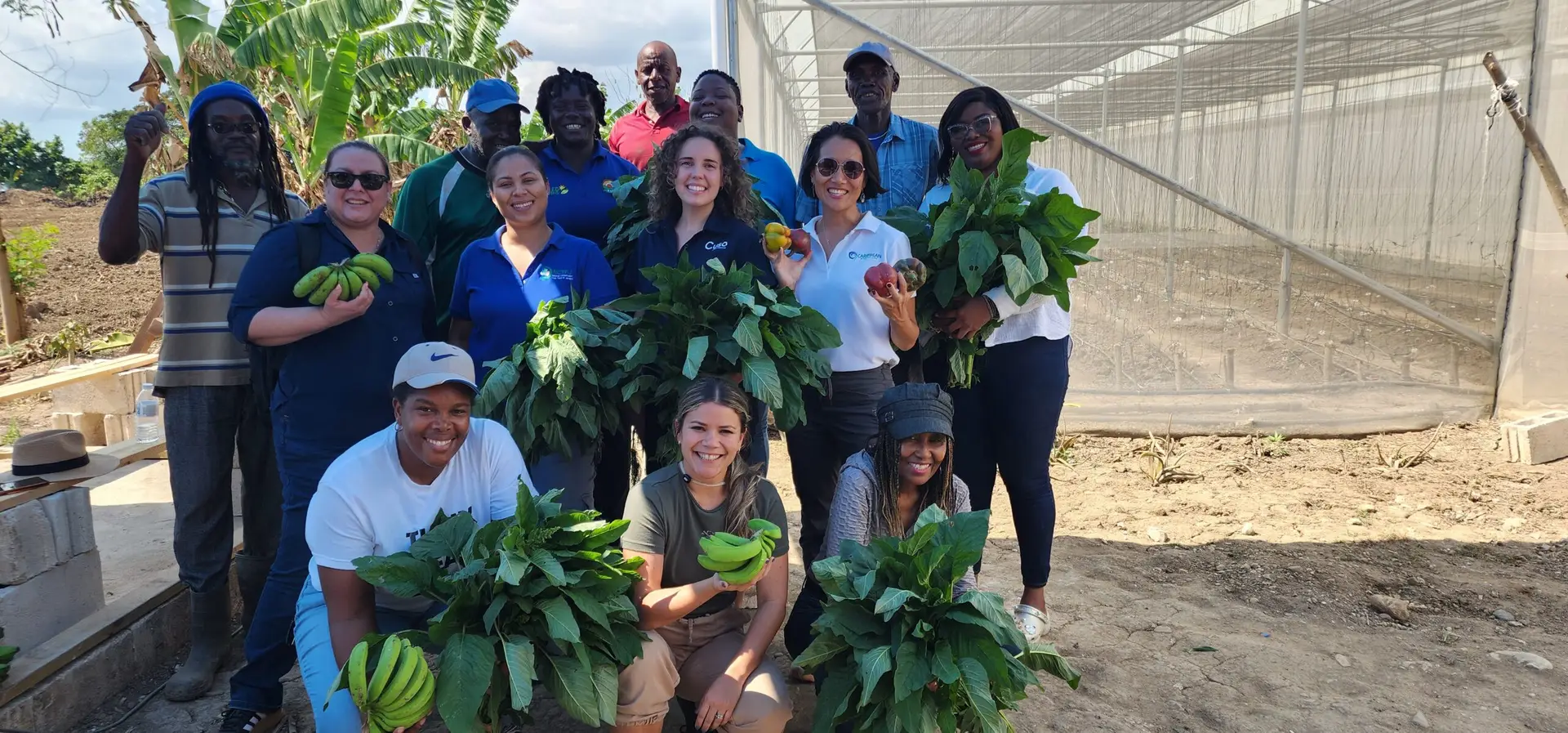
One such effort includes the establishment of a greenhouse training facility, where community members are introduced to climate-smart agricultural practices. Through hands-on training in sustainable farming techniques, including controlled-environment agriculture and soil management, participants are able to increase crop productivity while reducing pressure on surrounding forest ecosystems.
For many, these initiatives provide more than just technical skills — they create alternative income opportunities that are less vulnerable to climate shocks. By strengthening livelihoods while promoting environmentally responsible practices, projects like these help reinforce the connection between conservation and community resilience.
From education to enterprise: Portland Bight and community stewardship
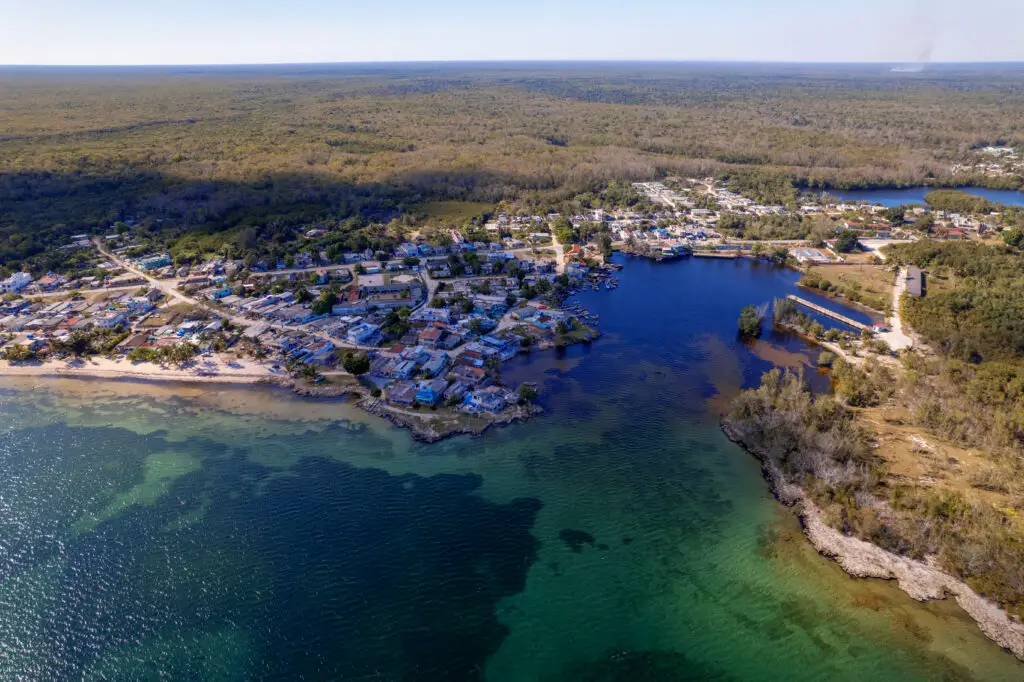
Jamaica’s largest protected area, the Portland Bight Protected Area, is another example of local impact. In recent years, the Portland Bight Discovery Centre has become a hub for education and ecotourism, hosting school groups and community workshops while promoting reef and dry-forest restoration.
Beyond awareness-building, NCTFJ and its partners are also supporting more targeted ecosystem restoration efforts. This includes initiatives such as conservation garden and plant propagation activities led by the Caribbean Coastal Area Management Foundation (C-CAM), which focus on restoring vulnerable dry forest plant species within the protected area and strengthening ecosystem resilience to climate change.
These efforts are complemented by training programs that help fishers and youth develop alternative livelihoods such as ecotour guiding, linking conservation to diversified local incomes.
Gender-responsive resilience and inclusive finance
NCTFJ is strengthening its approach to gender-responsive conservation through the CORE (Caribbean Organizations for a Resilient Environment) Project, a CAD $8 million initiative implemented by the Caribbean Biodiversity Fund in partnership with Global Affairs Canada and with support from the KfW Development Bank on behalf of the German Federal Ministry for Economic Cooperation and Development (BMZ).
Through CORE’s Gender Smart Facility, a dedicated grant-making mechanism channeling resources to local organisations implementing nature-based climate solutions, NCTFJ is advancing projects that centre the leadership and participation of women, youth, and marginalized groups in restoration and adaptation work.
The facility provides funding that enables NCTFJ to integrate gender analysis into project design, implementation, and monitoring — strengthening outcomes for the communities most vulnerable to climate change.
Crisis response, recovery, and the test of Melissa
NCTFJ’s role in rapid disaster response was tested again in late October 2025 when Hurricane Melissa struck Jamaica as a catastrophic Category 5 storm, bringing sustained winds of roughly 185 mph and triggering devastating flooding, landslides, and widespread infrastructure damage.
Early reports pointed to prolonged power outages and billions of dollars in losses across coastal parishes, underscoring the scale and urgency of the recovery effort now underway.
In the months since, the response has begun to shift from immediate relief to structured recovery. Building on its earlier response to Hurricane Beryl, NCTFJ, through its partnership with the Caribbean Biodiversity Fund (CBF), has expanded its support to address the compounded impacts of successive storms.
This includes scaling financing and coordinating interventions that link ecosystem restoration with community recovery.
With implementation now advancing, resources are being deployed in phases to support on-the-ground activities that address both immediate environmental damage and longer-term resilience needs.
This approach reflects a deliberate emphasis on accountable, sustained financing — ensuring that recovery efforts are not only rapid, but also durable.
As recovery efforts continue, national conservation trust funds such as NCTFJ are playing a critical bridging role between emergency response and long-term climate resilience.
Their ability to channel financing quickly, coordinate with local partners, and remain embedded within communities positions them as key actors not only in rebuilding ecosystems, but in strengthening Jamaica’s preparedness for future climate shocks.
Why this model matters for donors and policymakers
NCTFJ has demonstrated a pragmatic model for small island resilience that combines local stewardship, targeted finance, and durable partnerships.
For donors seeking measurable impact, NCTFJ provides clear channels to support conservation outcomes linked to livelihoods and climate adaptation.
For policymakers, NCTFJ is a partner that can align conservation priorities with national development plans while helping deliver targeted, accountable investments at scale.
NCTFJ, together with CBF and other partners, is proving that conservation finance can deliver durable ecological and social returns — even under the pressure of increasingly intense storms.