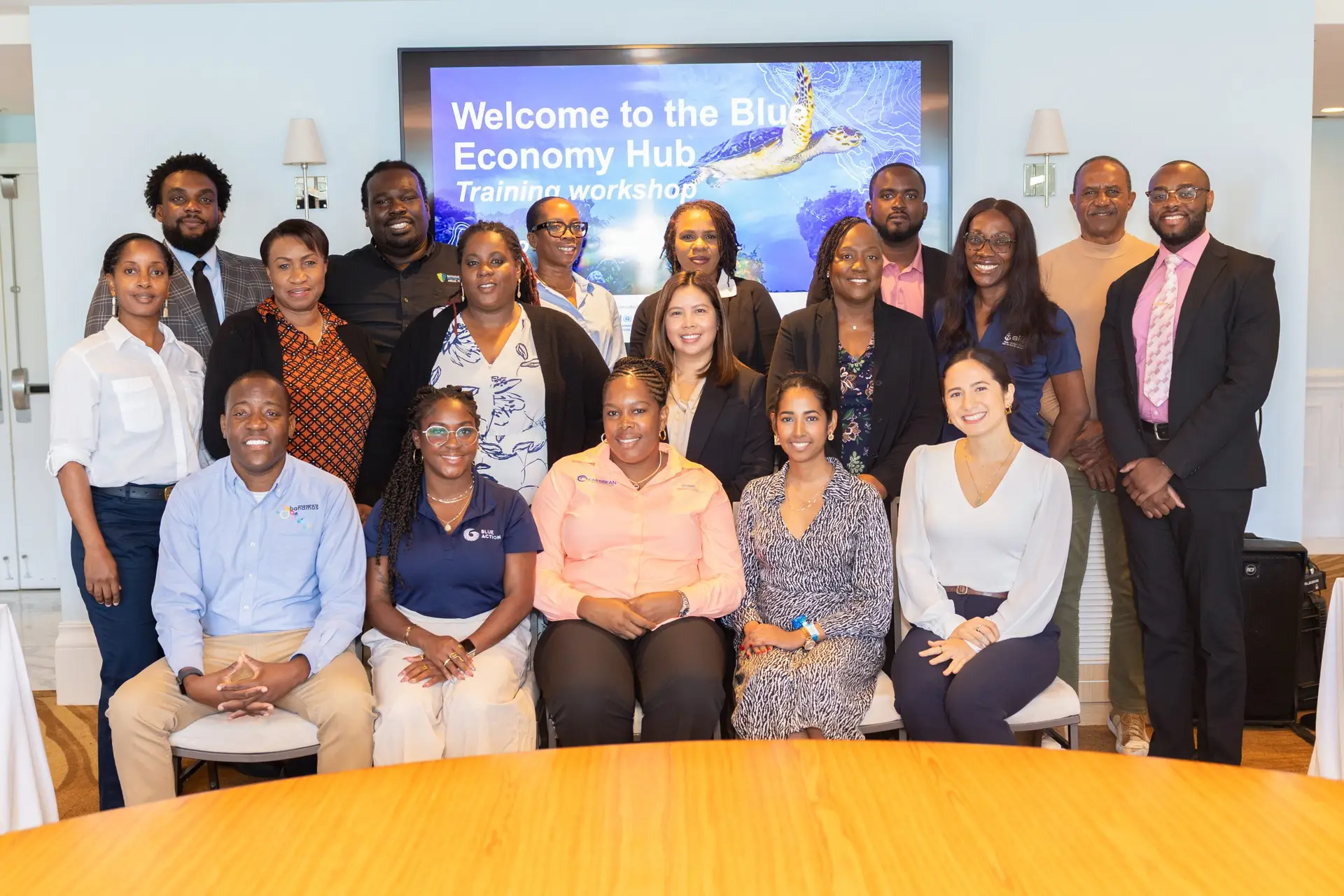
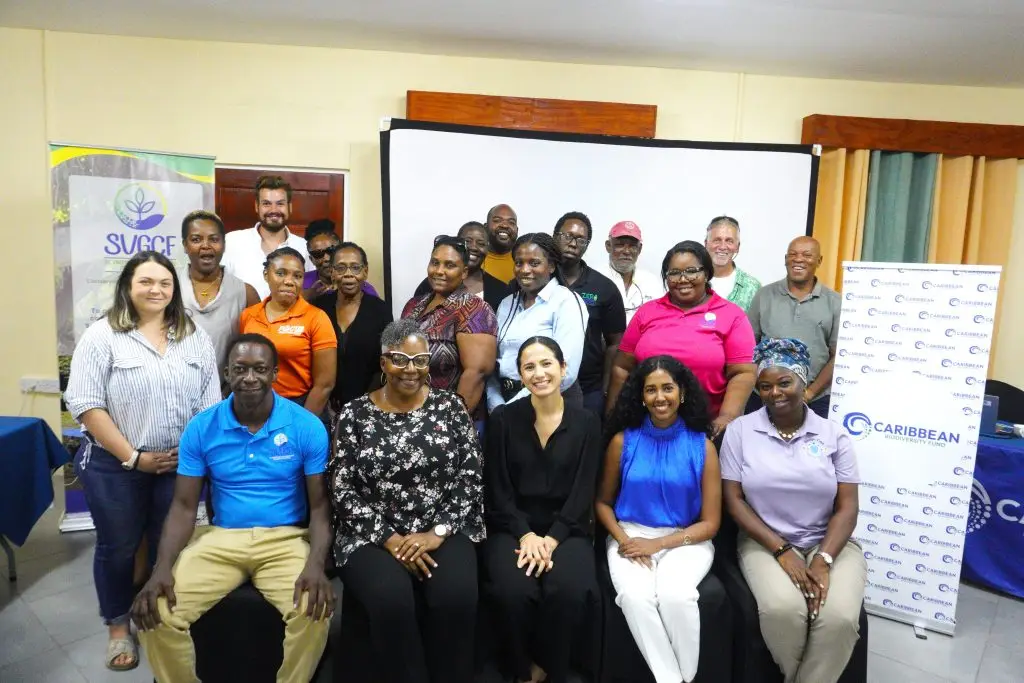
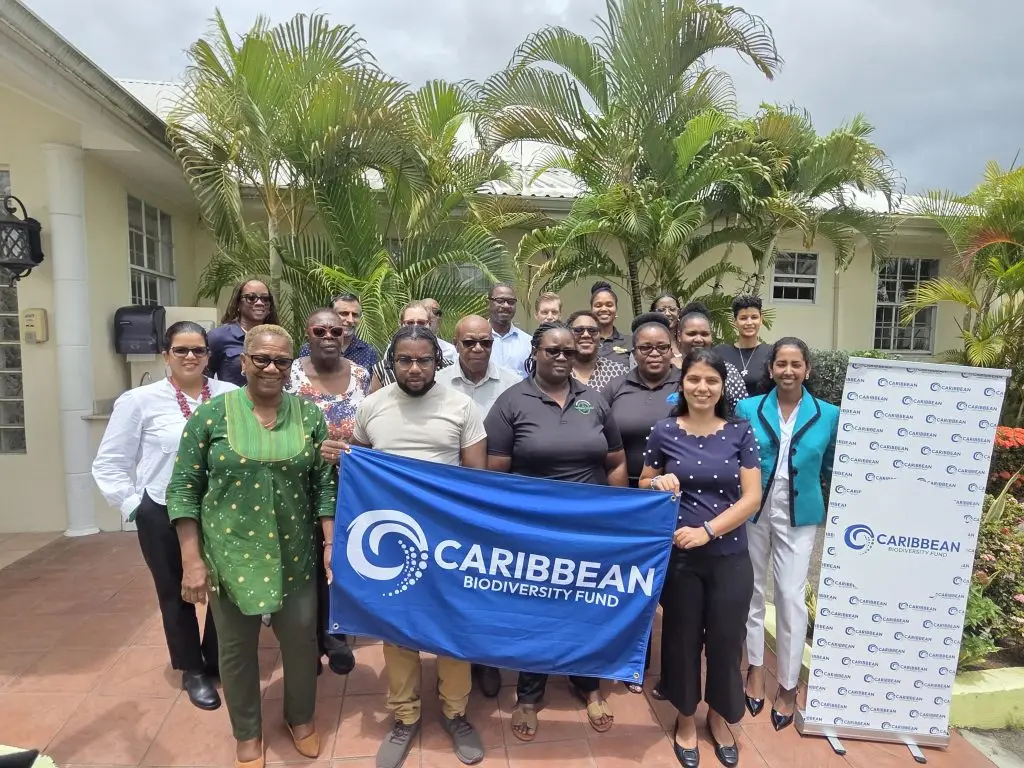
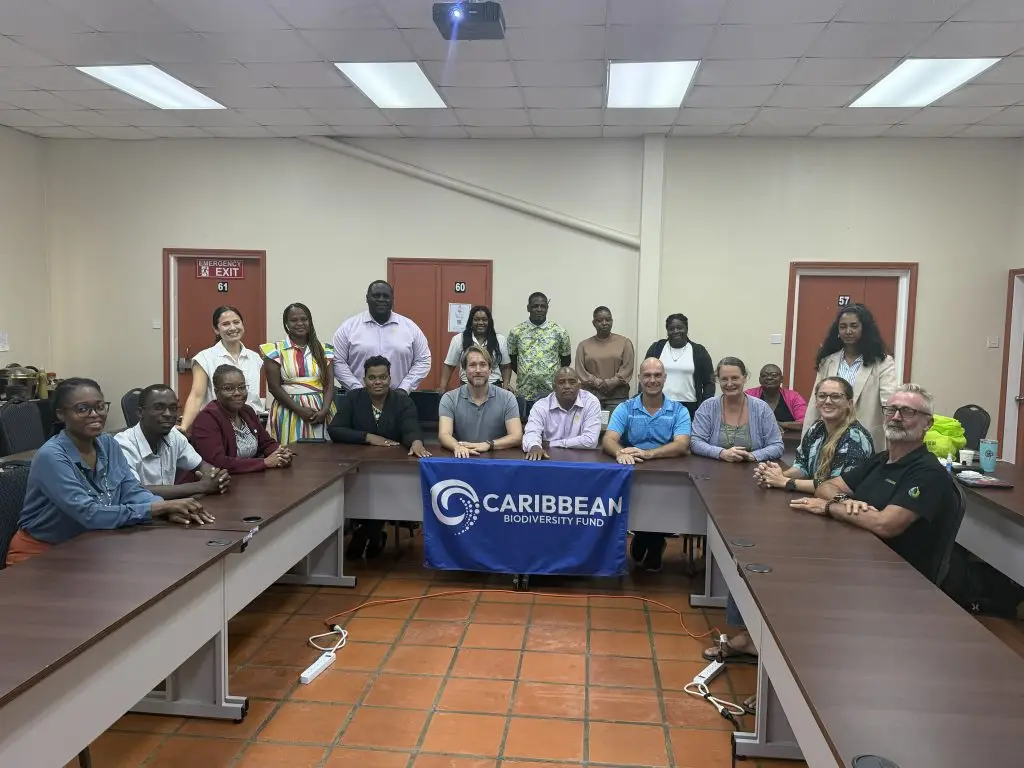
The Caribbean Biodiversity Fund (CBF), through the Caribbean Blue Financing (BluEFin) Project, successfully delivered a series of capacity-building workshops on the Blue Economy Hub across The Bahamas, the Dominican Republic, Saint Lucia, Grenada, and St. Vincent and the Grenadines, between April and May 2026. The workshops, developed in collaboration with Ernst and Young (EY), brought together entrepreneurs, private sector, non-government, and government stakeholders to strengthen their capacity to access financing and develop bankable blue economy projects.
The Blue Economy Hub represents a critical intervention at a time when Caribbean countries are seeking to balance economic growth with environmental protection, climate resilience, and sustainable development. As climate change continues to impact coastal and marine ecosystems, there is an urgent need for innovative financing mechanisms that can support conservation while enabling livelihoods. The Hub responds to this need by providing a regional platform that connects projects with technical expertise, data, and potential investors, helping to source finance for sustainable marine-based initiatives.
“These workshops mark an important step in translating the platform into action,” said Caribbean BluEFin Project Manager Tanja Lieuw. “We are encouraged by the level of engagement across the five countries and the strong interest in developing projects that can attract investment while delivering environmental and social benefits.”
The Hub offers a structured digital pathway that guides entrepreneurs to refine concepts, access expert guidance, and strengthen investment cases. Its main value is that it brings investors together with carefully checked opportunities in the sustainable blue economy. This makes it easier for private businesses to get involved and for projects to access the funding they need to grow.
“This collaboration demonstrates the importance of partnerships in building a pipeline of investment-ready projects in the region. Participants gained practical tools and insights to strengthen their project proposals and better align with investor expectations,” explained Leah Ragbir, Senior Consultant in Sustainability Services at EY-Parthenon.
EY’s global corporate responsibility program, EY Ripples, aims to positively impact one billion lives by 2030. The program focuses on three main areas, one of which is accelerating environmental sustainability. Their work on the Blue Economy Hub, which focuses on nature-based blue economy growth and strengthening resilient marine and coastal ecosystems, falls directly under this focus area.
Participants across the region also highlighted the value of the workshops. “I think all of us here are having an opportunity to learn what standards are required so that we can acquire those resources as a country and ensure they result in a good investment,” said Dominican Republic National Fund for Environment and Natural Resources, Marena Fund Executive Director Judith Valdez. “Sometimes, we have the resources available but we are not trained to receive them so a scenario like this allows us to understand the requirements of international organisations in general.”
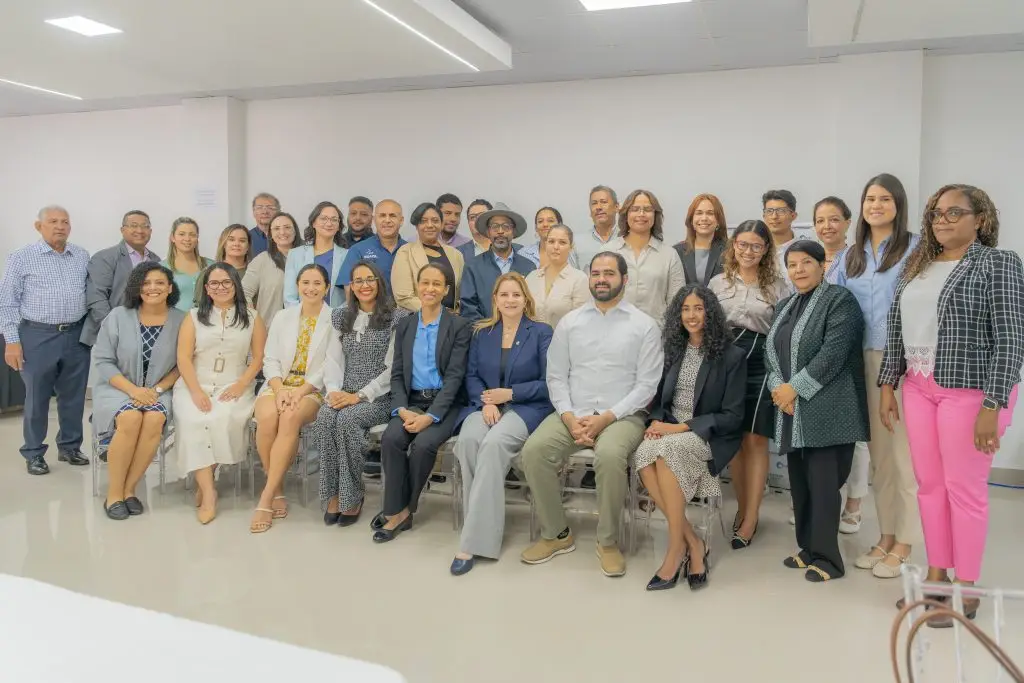
Following the completion of the workshops, the focus will shift toward supporting participants in refining their project concepts, strengthening their investment readiness, and actively engaging with the Blue Economy Hub platform. The initiative is expected to contribute to the development of a pipeline of viable, finance-ready projects that can attract public and private investment, while advancing marine conservation, climate resilience, and sustainable economic growth across the Caribbean.
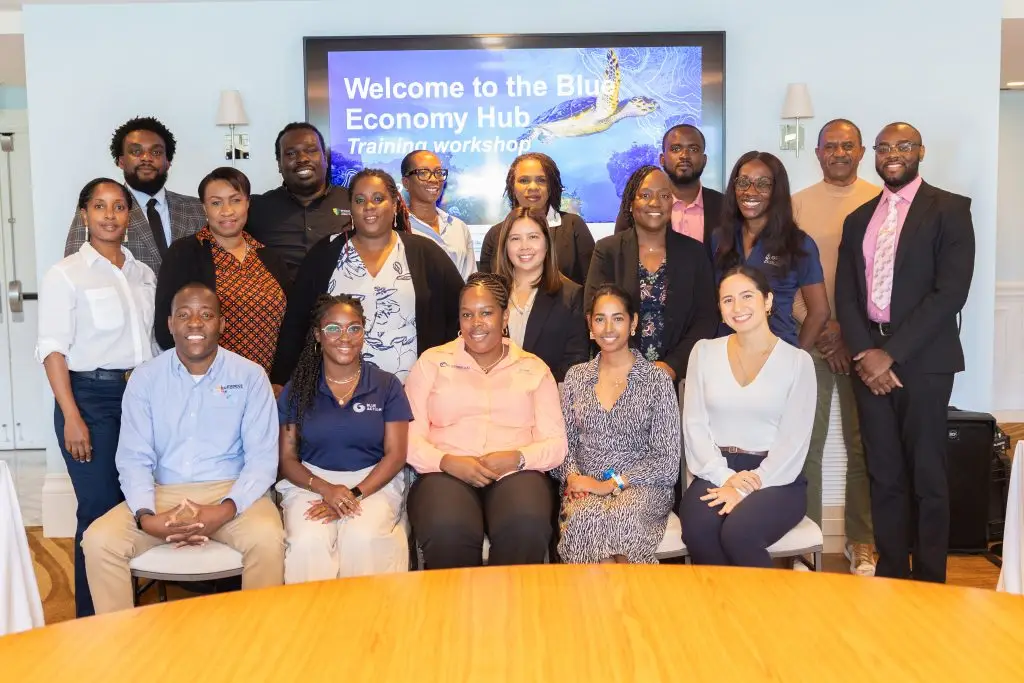
The Caribbean BluEFin Project is financed by the Global Environment Facility (GEF), implemented through the United Nations Environment Programme (UNEP), and executed by the Caribbean Biodiversity Fund (CBF). The project is supported by co-financing from the German Development Bank (KfW) on behalf of the German Federal Ministry for Economic Cooperation and Development (BMZ), the French Development Agency (AFD), the French Facility for Global Environment (FFEM), and the German Corporation for International Cooperation (GIZ).
The Caribbean Biodiversity Fund (CBF) is a regional umbrella environmental fund that implements innovative solutions and consolidates regional conservation impacts in the Caribbean through a range of financial instruments. By designing and managing innovative financing solutions, the CBF helps countries access long-term resources to protect biodiversity, build climate resilience, and promote nature-based economic growth. To date, the Fund has supported more than 100 projects in 12 countries, delivering over US$30 million in funding for impactful, locally led solutions.