By Eduardo Boné-Morón (Senior Manager, Global Shipping, Environmental Defense Fund and Chair, Gulf and Caribbean Fisheries Institute), Tanja Lieuw, Fabian Kyne and Tadzio Bervoets
This article is co-authored by members of the Caribbean Biodiversity Fund (CBF) and Environmental Defense Fund (EDF).
Hurricane Melissa, a Category 5 storm, swept through the Caribbean the same week that representatives from dozens of Caribbean nations and organizations gathered for the 78th Gulf and Caribbean Fisheries Institute (GCFI) Conference in Cartagena, Colombia. Between sessions, people checked their phones, anxious for news from home. The storm was a vivid reminder that climate change is not a future risk for the region. It is here now, and the decisions we make today will shape how prepared our communities are for the next storms.
This urgency framed the entire conference. For over seventy-five years, GCFI has been one of the region’s most trusted platforms, where fishers, students, scientists, NGOs and government officials share knowledge and move ideas from discussion to action.
As countries advance toward their 30×30 goals (the global commitment to protect at least 30% of the world’s land and ocean by 2030), discussions centered on how to build the financial systems needed to support conservation that reflects the realities of daily Caribbean life. Oceans, conservation, climate adaptation and maritime decarbonization can no longer be addressed separately. These issues converge at the coast, in ports, in small vessel fleets and in the daily routines of communities, fishers and tourism operators.
The Caribbean’s collaborative DNA
One session illustrated this emerging alignment: “Financing the Future,” co-organized by the Caribbean Biodiversity Fund (CBF) and Environmental Defense Fund (EDF). The session explored how the region can build the financial architecture needed to unlock investment, scale up action and support resilient coastal communities.
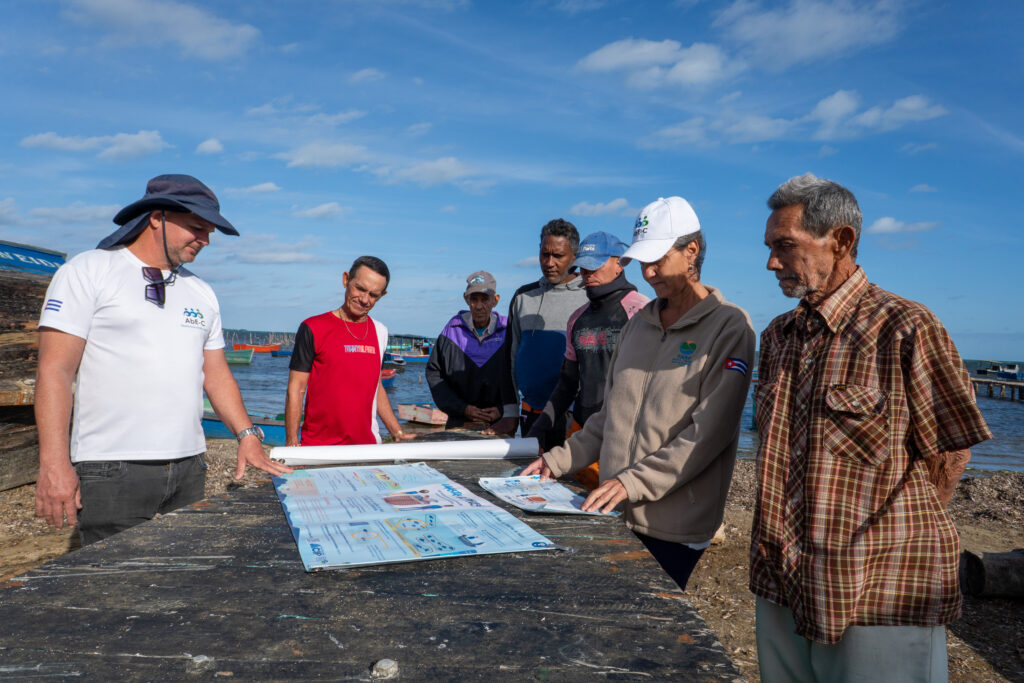
Progress in the Caribbean happens through collaboration. Community groups, national governments, regional organizations, researchers and funders each bring something essential. Working together leads to more effective finance, more durable solutions and programs grounded in community needs and leadership.
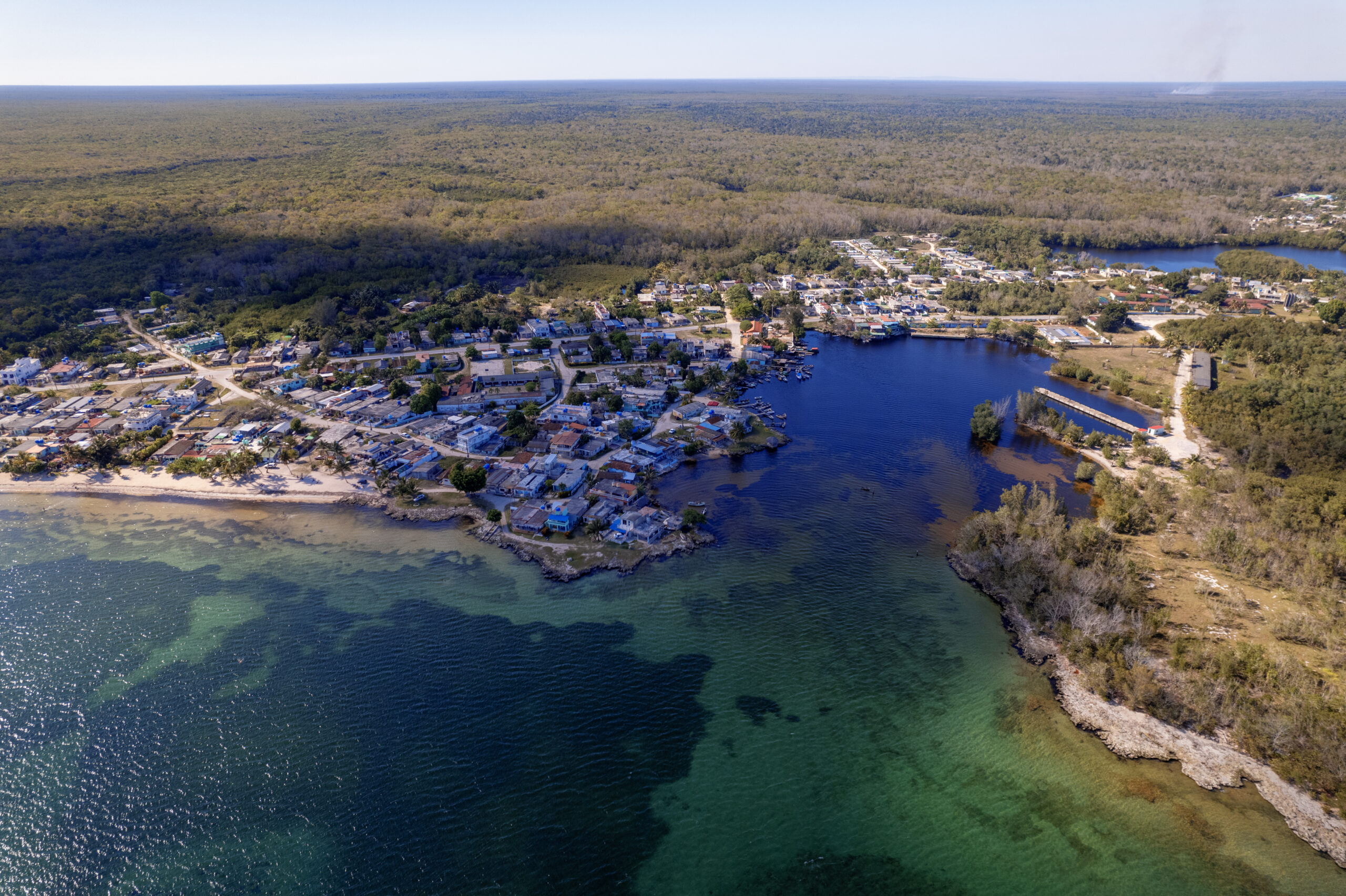
Through GCFI’s collaborative ecosystem, organizations like CBF and EDF have formed strong partnerships. One example is the recent project co-led by EDF, Wildlife Conservation Society and Cuba’s National Center for Protected Areas, “Applying nature-based solutions to increase coastal resilience and capacity for climate change adaptation in protected areas of Cuba,” funded by CBF with support from the German Federal Ministry for the Environment through KfW Development Bank.
The lesson from Cartagena was clear: when funders, practitioners, governments, fishers and researchers meet early, better solutions follow.
Building a Blended Financial Architecture
A blended financial system requires multiple mechanisms working together:
- Grants fund early-stage pilots and community engagement
- Performance-based mechanisms reward communities for protecting ecosystems
- National conservation funds anchor long-term, country-led financial stewardship that reduces reliance on short funding cycles
- Cross-sector partnerships align investments across oceans, energy and climate
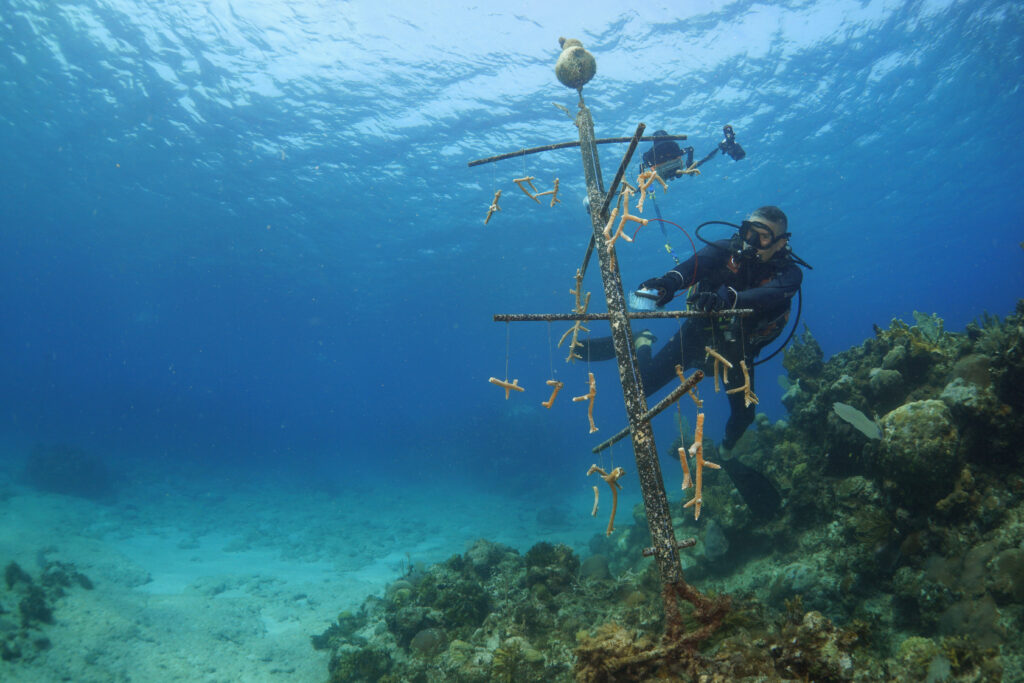
By combining these approaches, blended finance can accelerate the deployment of new technologies such as electric motors, renewable-powered coastal infrastructure and large-scale ecosystem mapping. These enable restoration of coral reefs and mangroves at unprecedented scope and speed while centering communities and ensuring sustained benefits.
Some elements are already taking shape. CBF-funded initiatives show how ecosystem restoration, community benefits and long-term stewardship reinforce one another. National Conservation Trust Funds demonstrate how strengthening domestic institutions sustains conservation beyond individual grants. Since signing its first partnership in 2016, CBF has grown into a network of ten Conservation Trust Funds across the region, plus two additional funding facilities providing direct grants for Ecosystem-Based Adaptation and Advanced Circular Economy initiatives.
Energy Transition as a Catalyst for Resilience
An important theme that emerged during the session: the energy transition offers a powerful opportunity for the Caribbean. Meaningful climate action, grounded in collaboration and community partnerships, strengthens both economic stability and marine conservation.
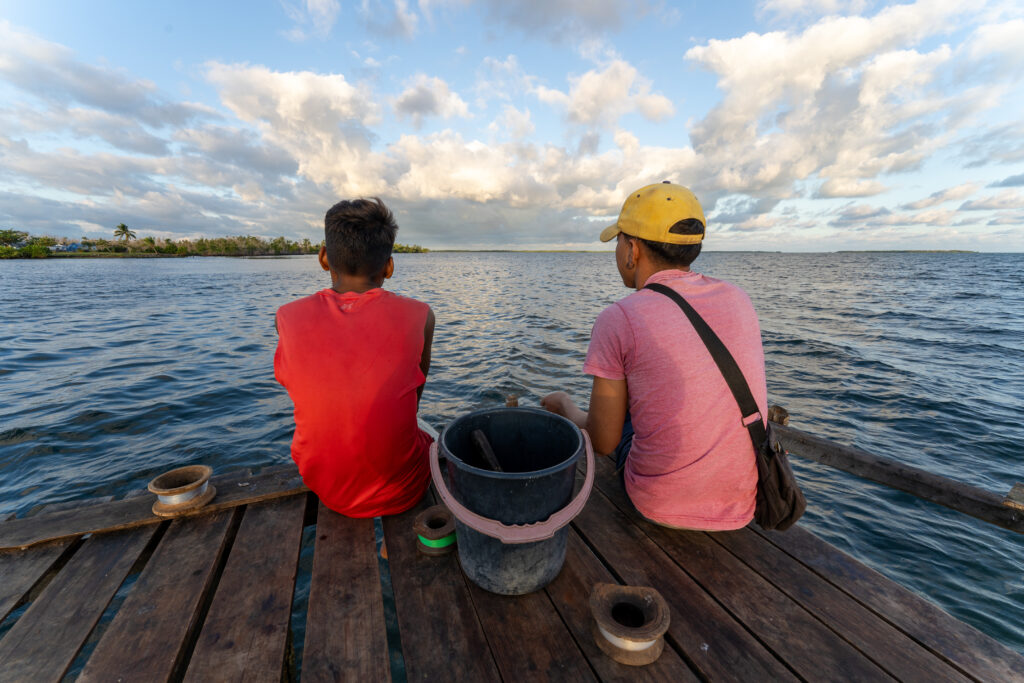
Small boats helped make this connection visible. They are part of everyday life in the Caribbean, yet their dependence on imported fossil fuels exposes communities to volatile costs and economic uncertainty. This vulnerability quickly becomes a climate vulnerability.
Recent feasibility work in The Bahamas showed that small-vessel electrification can reduce operating costs, lower maintenance needs, reduce nearshore pollution and create new technical jobs. More importantly, it demonstrated that clean, reliable energy brings tangible, immediate benefits to communities—improving people’s lives while protecting ecosystems.
The energy transition brings new actors and opportunities into the conversation: energy ministries, climate funds and private innovators. Similar opportunities are emerging region-wide, from renewable-powered docks to clean-energy solutions supporting protected area management.
A Caribbean Blueprint
What emerged from Cartagena was not a finished plan, but a shared direction. The Caribbean is beginning to model how energy transition, conservation finance and community leadership can reinforce each other.
CBF continues building long-term, nationally grounded financial frameworks that support countries beyond individual project cycles. EDF and other practitioners contribute insights grounded in community realities. GCFI convenes the voices that keep conversations honest and practical. Governments and fishers anchor the work in the realities of daily life.
The opportunity now is to bring these pieces together into a coherent regional system capable of moving countries from global ambitions to the everyday work of maintaining protected areas, supporting livelihoods and strengthening resilience.
For Caribbean people, this effort is not simply a response to international ambitions, but one that reflects our need to build resilience to storms like Hurricane Melissa and the persistent pressures that continue to degrade our region’s ecosystems.
If the region succeeds, the lessons and the model will reach far beyond its shores.