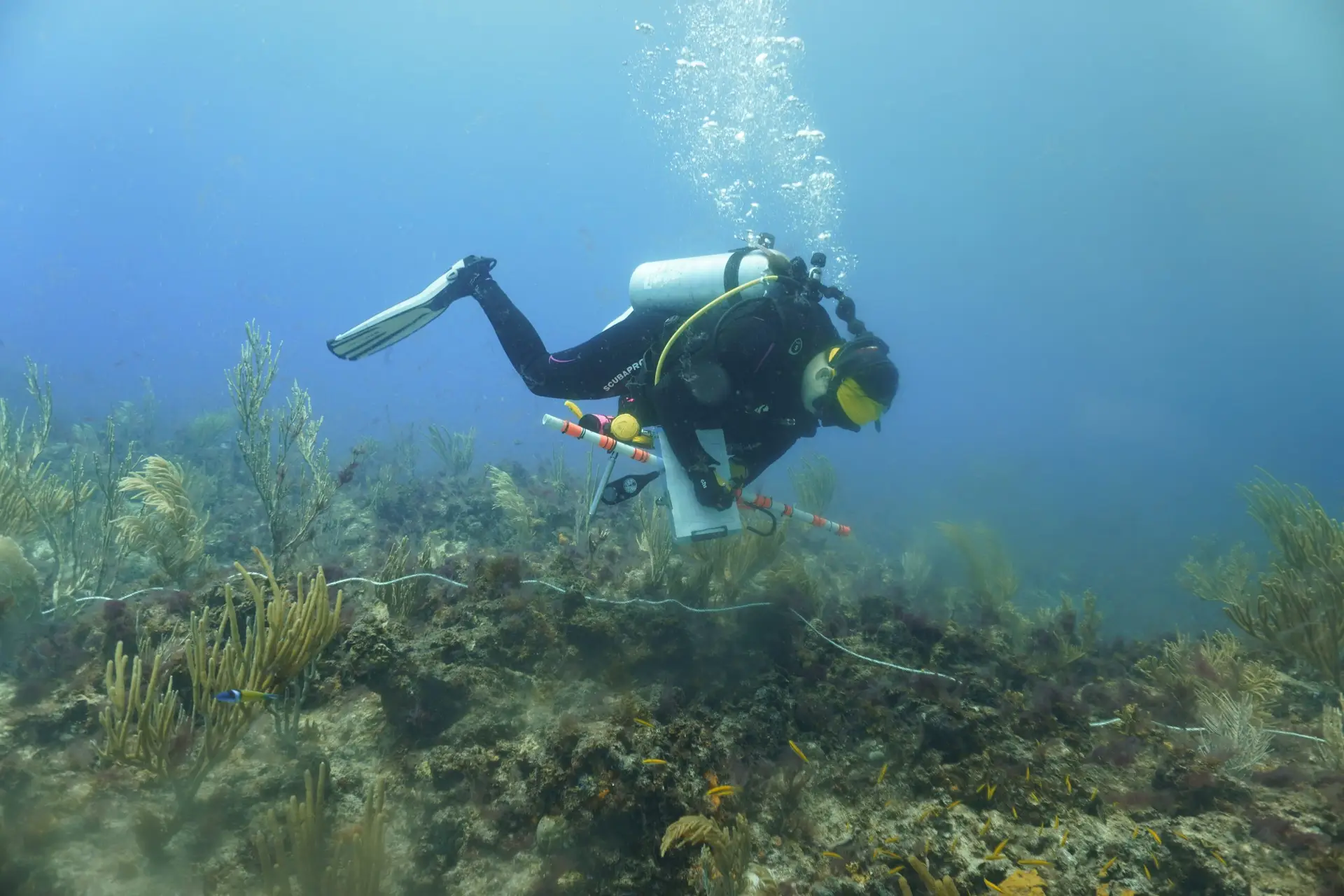
A four-year reef-monitoring program in Punta Cana detected the loss of Meandrina meandrites following the arrival of Stony Coral Tissue Loss Disease (SCTLD) in 2022. After two years, sexual recruits of this species were observed on the reef.
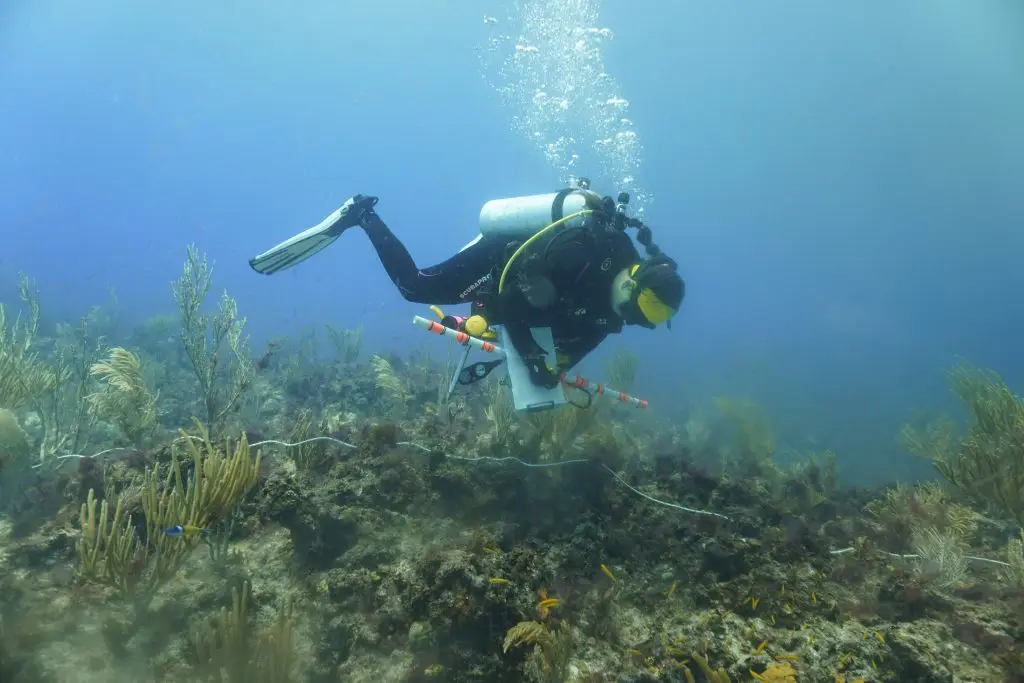
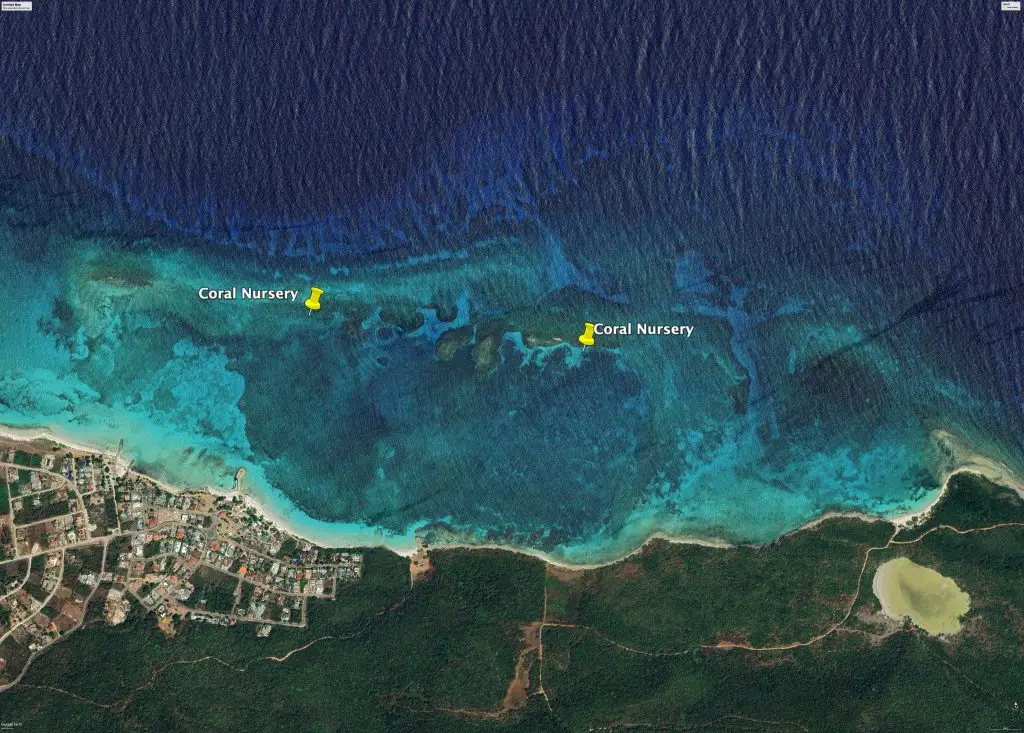
Quarterly monitoring at three reefs in Punta Cana began in April 2021 and continues today. Our team has detected changes in scleractinian corals from disease and bleaching events as part of a monitoring program within the Southeastern Reefs Marine Sanctuary. Thanks to this, we tracked Stony Coral Tissue Loss Disease (SCTLD), first observed in the area in August 2022 and active until July 2024.
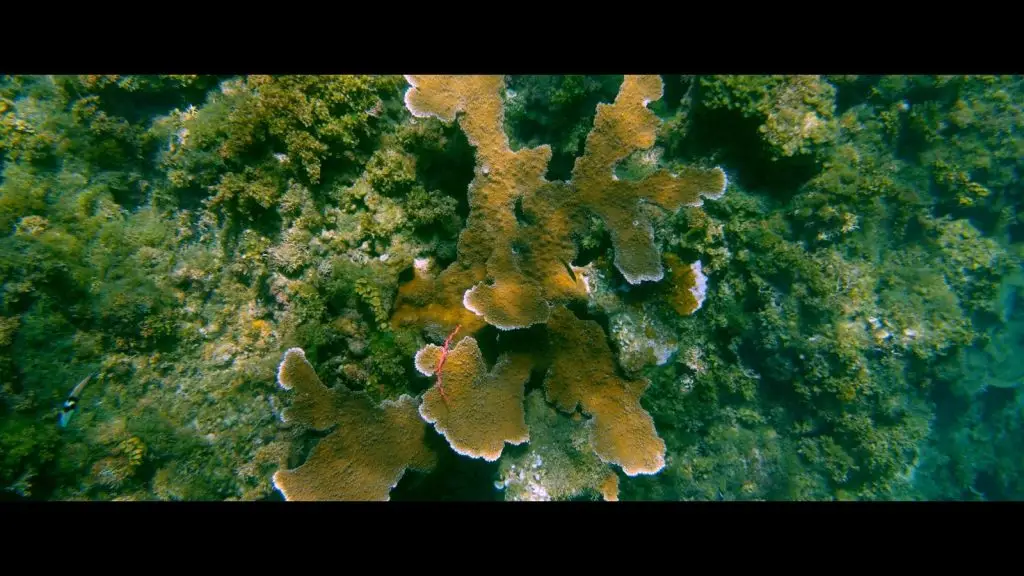
The most affected species were Dendrogyra cylindrus, Meandrina meandrites, Orbicella spp., Eusmilia fastigiata, Montastraea cavernosa, and Dichocoenia stokesii. At the time of monitoring, all M. meandrites observed were dead and all D. cylindrus showed active signs of SCTLD.
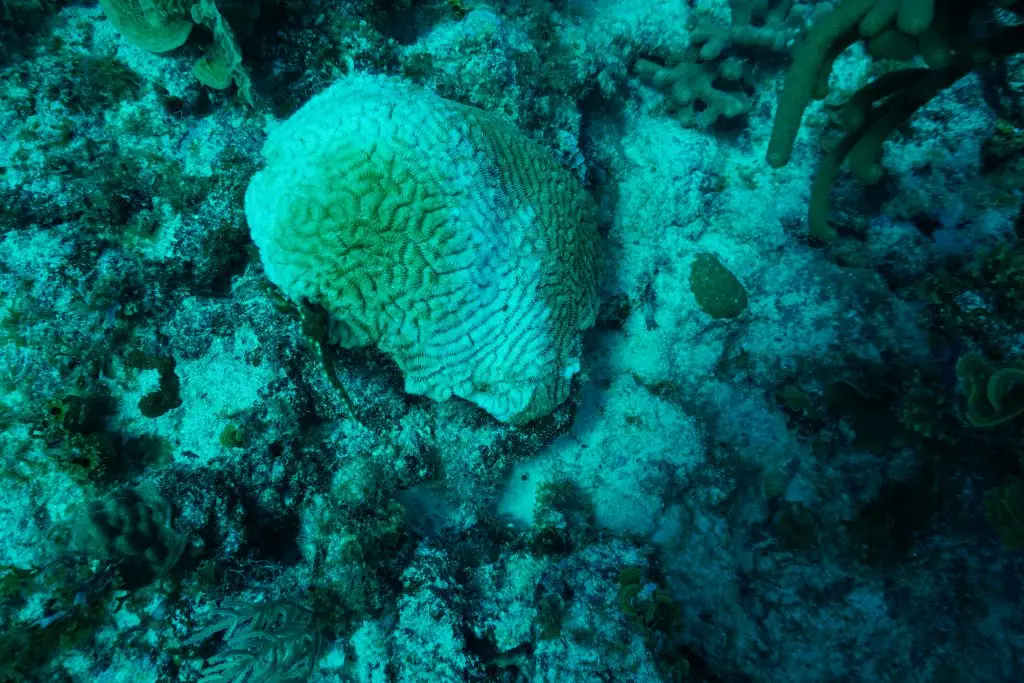
The disease was most active from August 2022 to March 2023, with SCTLD percentage based on scleractinian coral cover in three monitoring events recorded at 9.3%, 7.2%, and 1.7%.
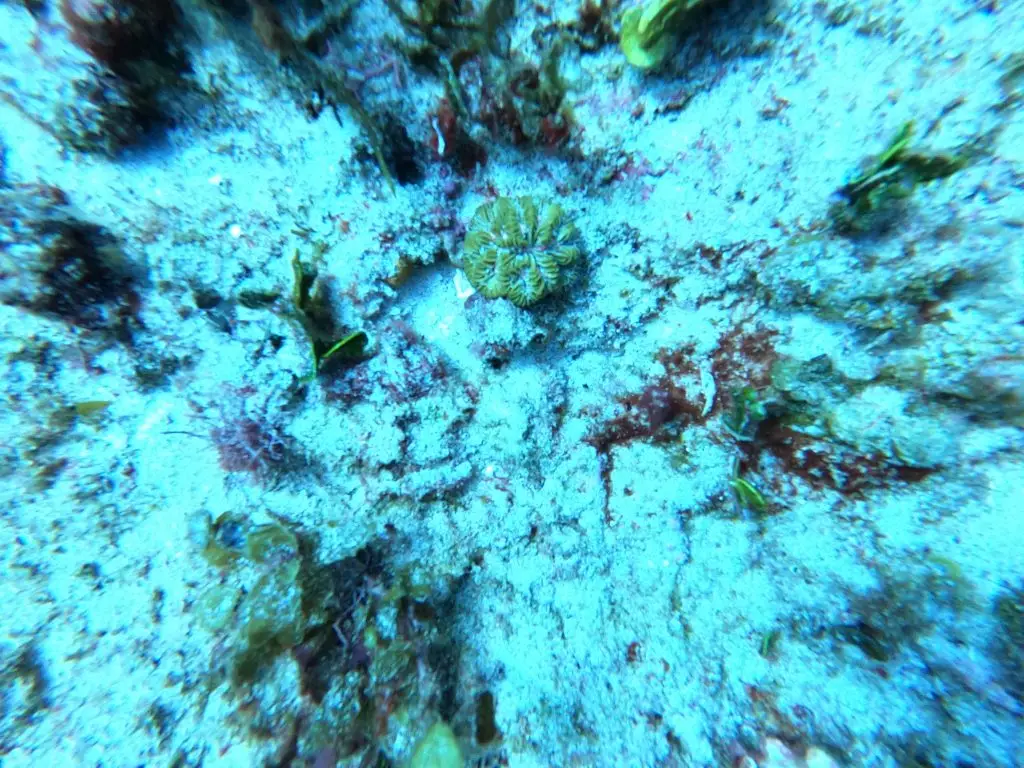
After monitoring, no M. meandrites were found on the reef until our last survey in October 2025, when two recruits were observed. We also identified three D. cylindrus colonies still alive but showing SCTLD signs.
Four years of monitoring and more than fifteen surveys have allowed us to observe trends and better understand which species are impacted and when. M. meandrites demonstrated that recovery takes time. Local disappearance does not mean extinction, as recruits can reestablish populations.
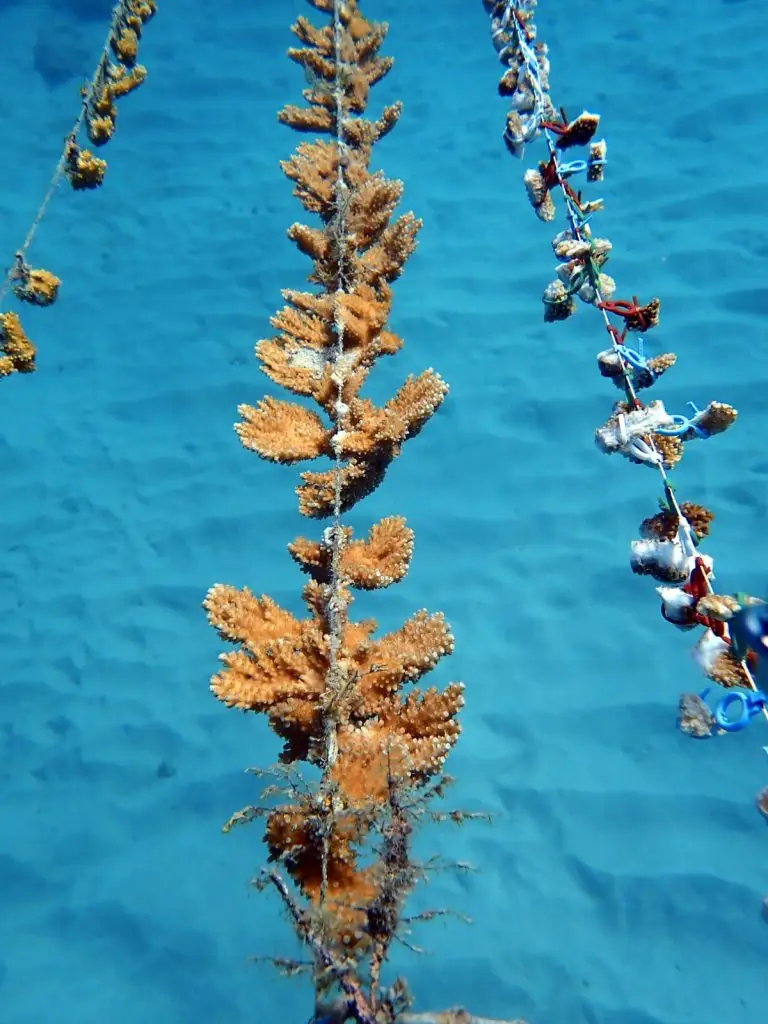
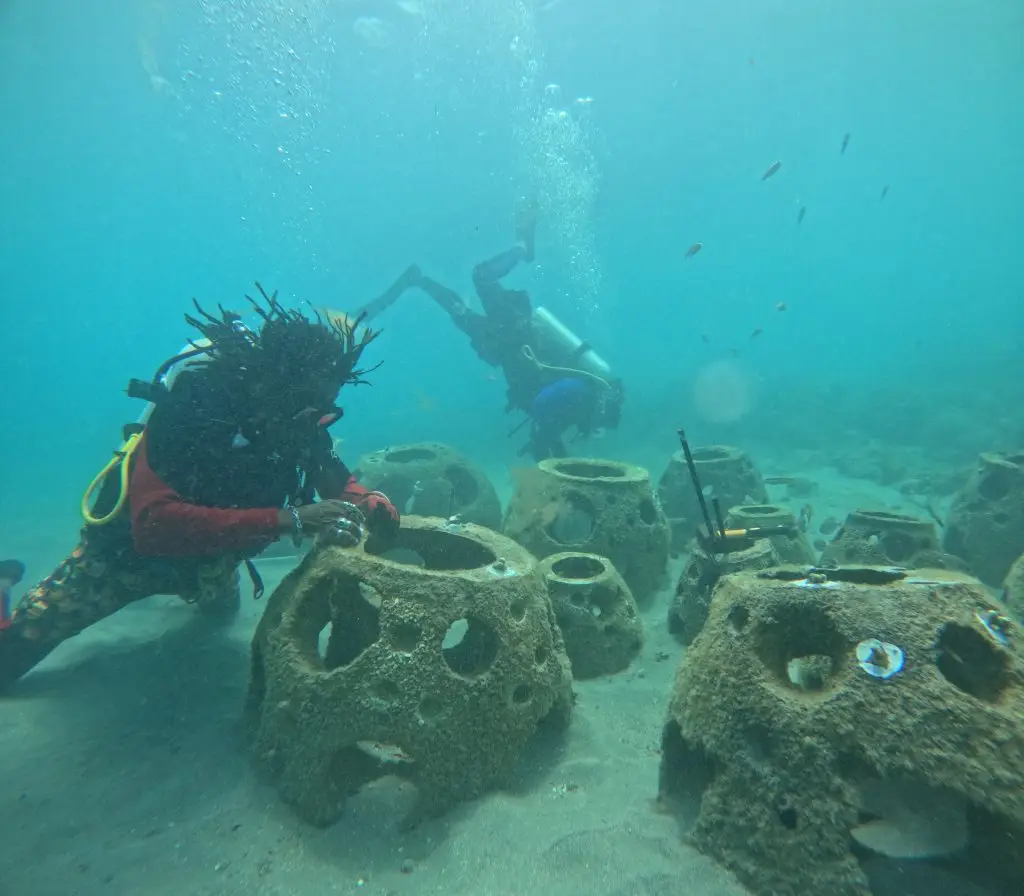
Based on these data, we have adapted our restoration plan to target rapidly declining species. Our next step is to obtain a few E. fastigiata colonies to test laboratory reproduction from planulae larvae.
SCTLD was the disease that we observed with the biggest spike in affected species. We have been working with the Bhattacharya Lab from Rutgers University to better understand how the disease works.
You can read more about it here:
https://doi.org/10.1093/ismeco/ycaf226
https://doi.org/10.1101/2025.06.19.660612
Further information and support for coral restoration:
https://www.globalgiving.org/projects/coralsforclimate/
The views expressed in these articles are for information only and do not represent the official position of the Caribbean Biodiversity Fund or its partners.