Country: Antigua and Barbuda
Organization / Project name: University of the West Indies, Mona Campus Wave Attenuation: Natural Solutions using Elkhorn Coral (WANSEC) Project and World Conservation Monitoring Centre (WCMC), Strengthening Regional Climate Resilience and Supporting Green Economic Recovery through Ecosystem-Based Adaptation and Sustainable Livelihoods (EbA Project)
Author: Ruleo Camacho
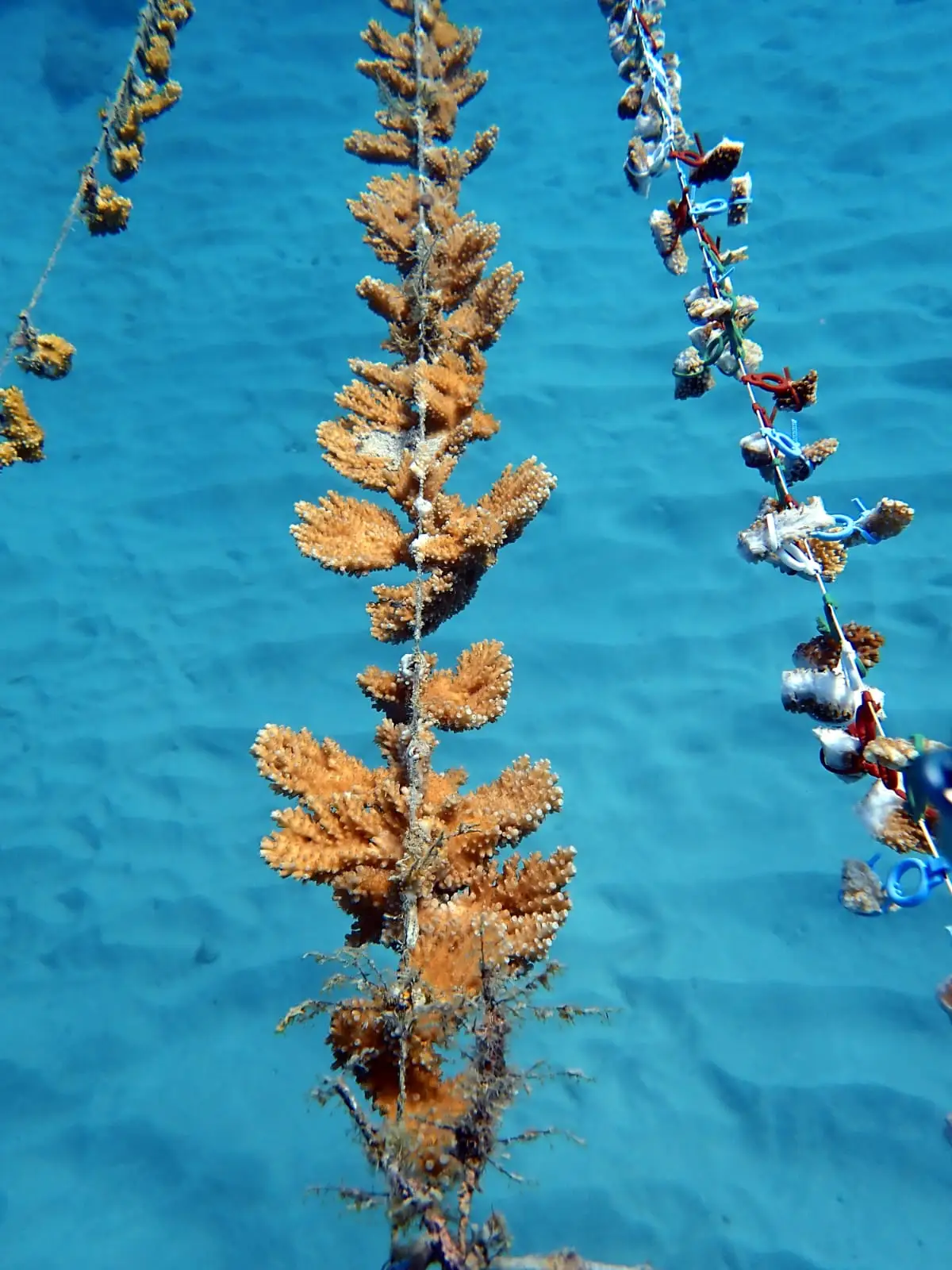
Coral restoration is scaling up in Nelson Dockyard National Park (NDNP), with innovative projects testing new approaches to rebuild reefs and strengthen coastal resilience in Antigua and Barbuda. Through support from two CBF-supported regional projects, the NDNP is making major inroads in coral restoration within the park.
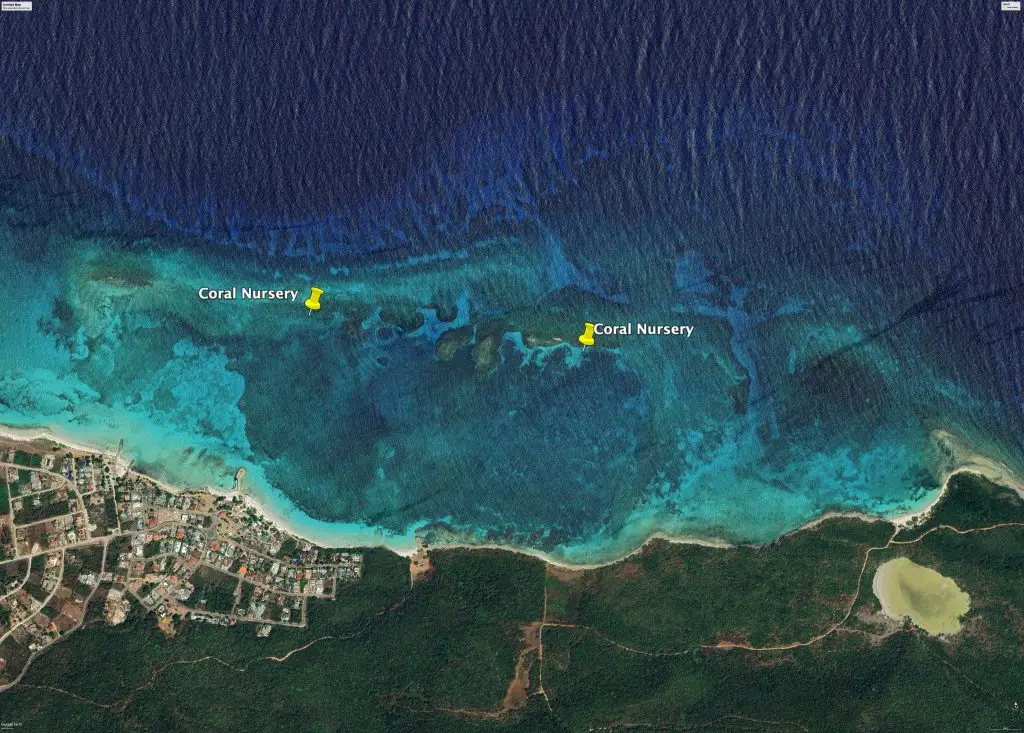
The Nelson Dockyard National Park (NDNP) stands as one of the Caribbean’s most significant ridge-to-reef protected areas. Established under the National Parks Authority Act of 1984, the park spans approximately 15 square miles along the south-eastern coast of Antigua, from Carlisle Bay to Mamora Bay.
With roughly 55% terrestrial and 45% marine coverage, and as an International Union for Conservation of Nature (IUCN) Category VI mixed-use protected area, NDNP balances conservation with sustainable use of its natural resources.
Since 2019, the National Parks Authority (NPA) has implemented routine reef monitoring across 14 marine sites using the Atlantic and Gulf Rapid Reef Assessment (AGRRA) methodology. These assessments, conducted every two to three years, provide critical data to inform adaptive management of the park’s marine ecosystems.
A consistent finding across monitoring cycles has been low live coral cover, highlighting the urgent need for active intervention.
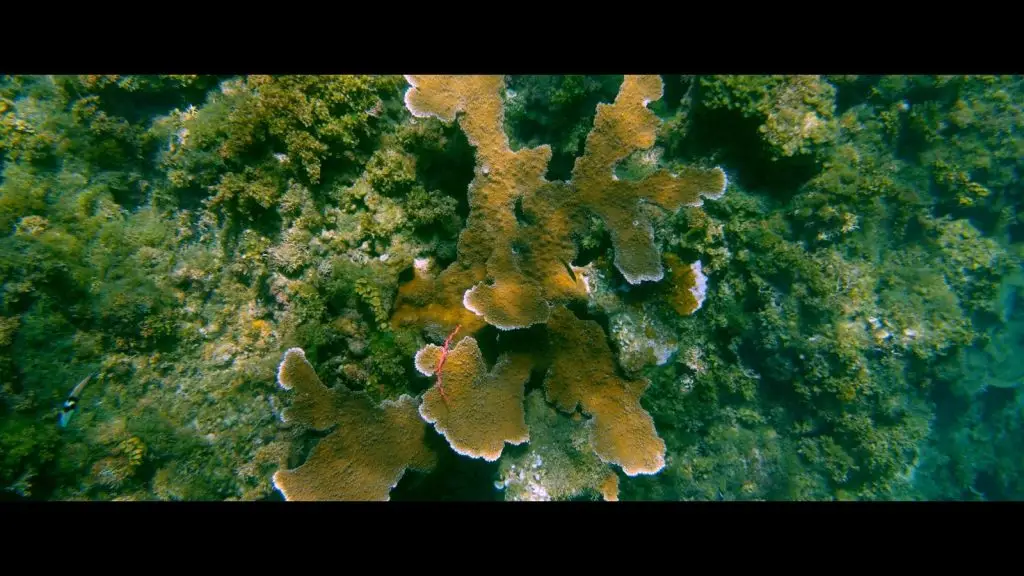
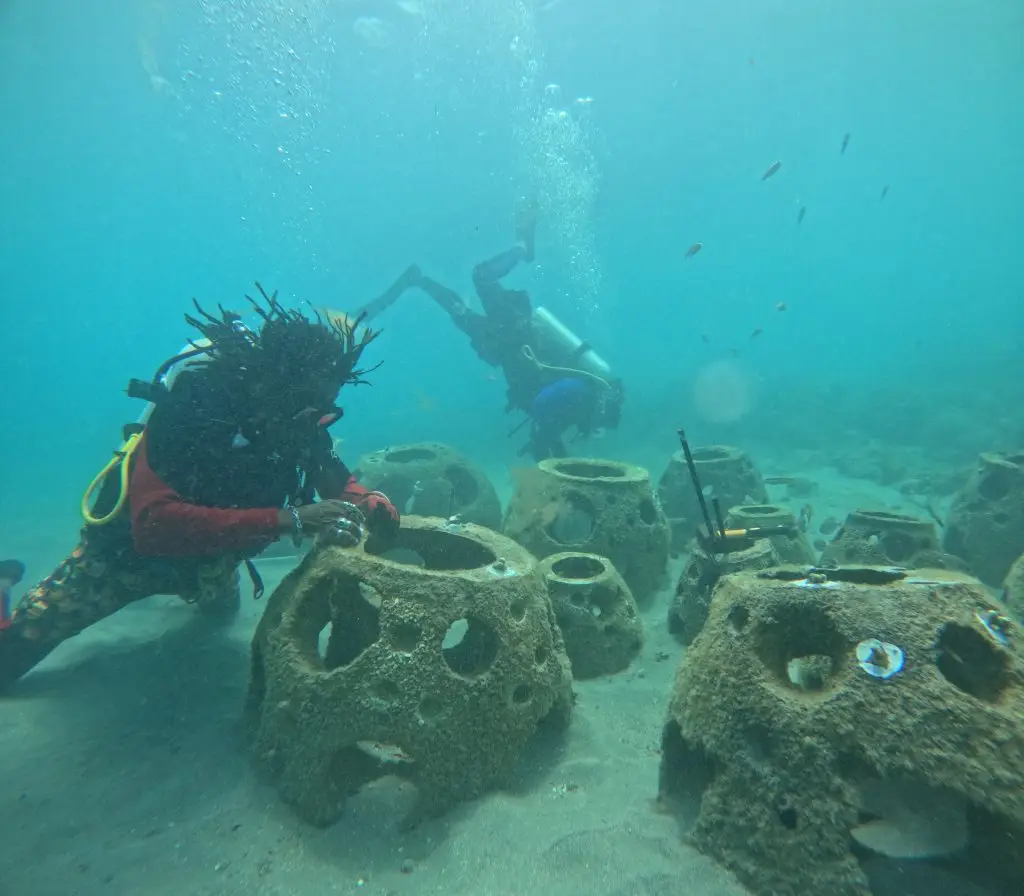
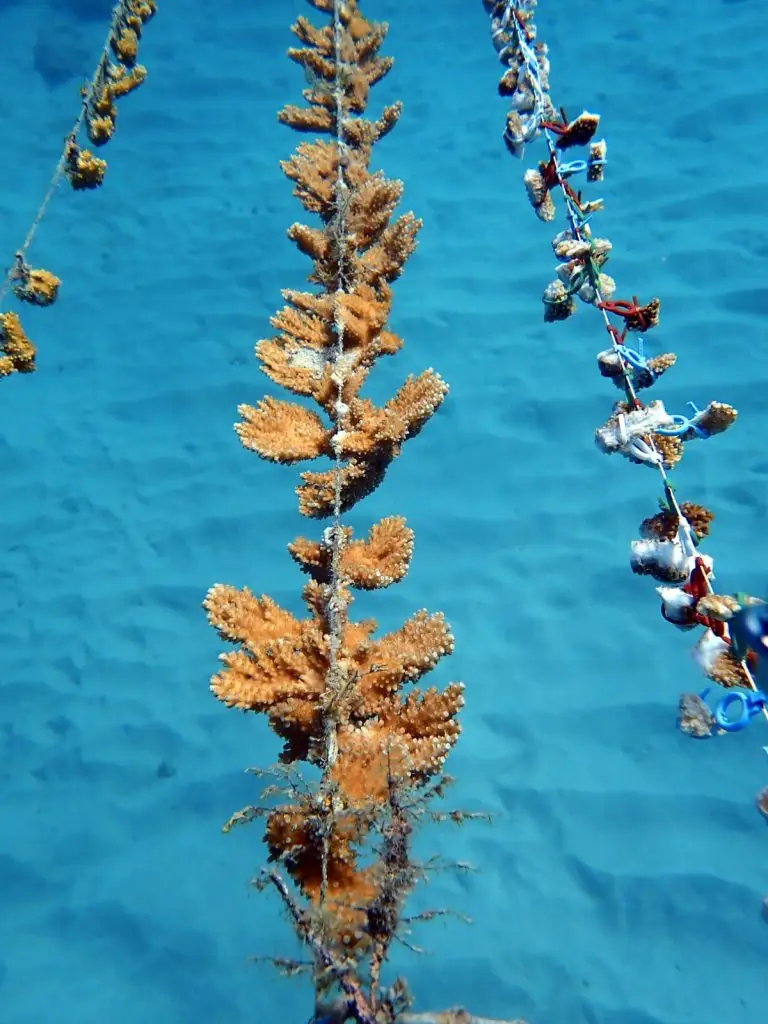
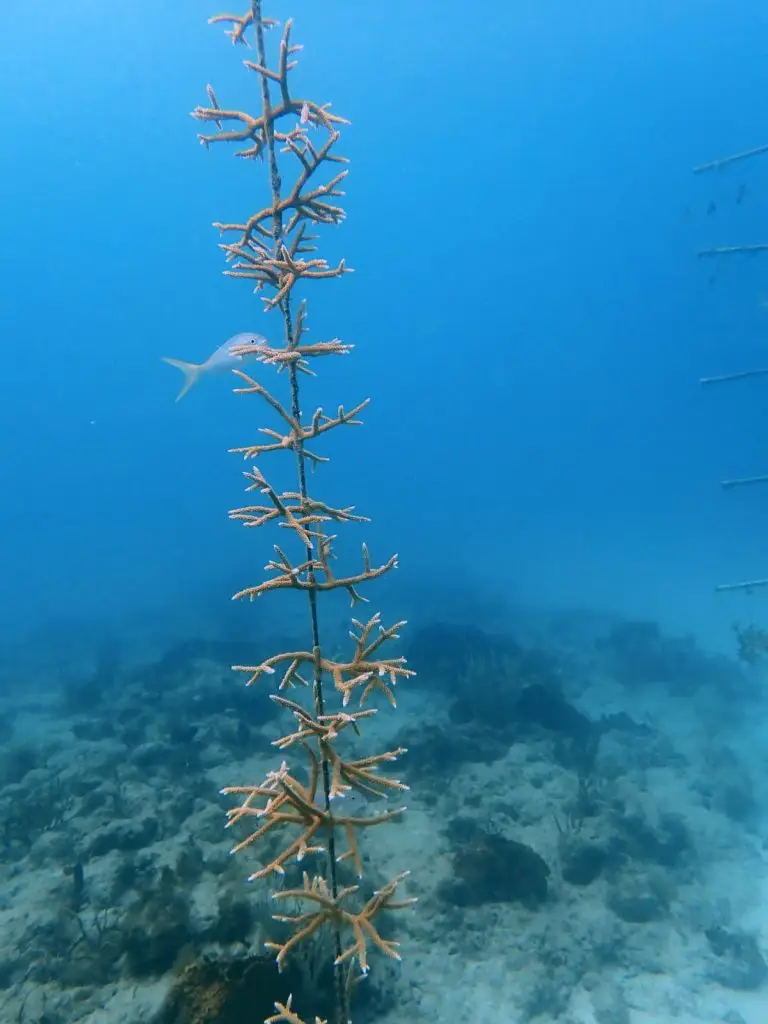
In response, the NPA launched its coral restoration programme in 2021, focusing primarily on fast-growing, reef-building Acroporid species. This initiative has since expanded with both elkhorn coral, Acropora palmata, and staghorn coral, Acropora cervicornis, along with fused staghorn, Acropora prolifera, being grown in the NPA Coral Nursery.
This enabled collaboration with regional partners on coral restoration initiatives, particularly through two Caribbean Biodiversity Fund (CBF)-supported efforts: the Wave Attenuation: Natural Solutions using Elkhorn Coral (WANSEC) Project, and the “Strengthening Regional Climate Resilience and Supporting Green Economic Recovery through Ecosystem-Based Adaptation and Sustainable Livelihoods” EbA Project.
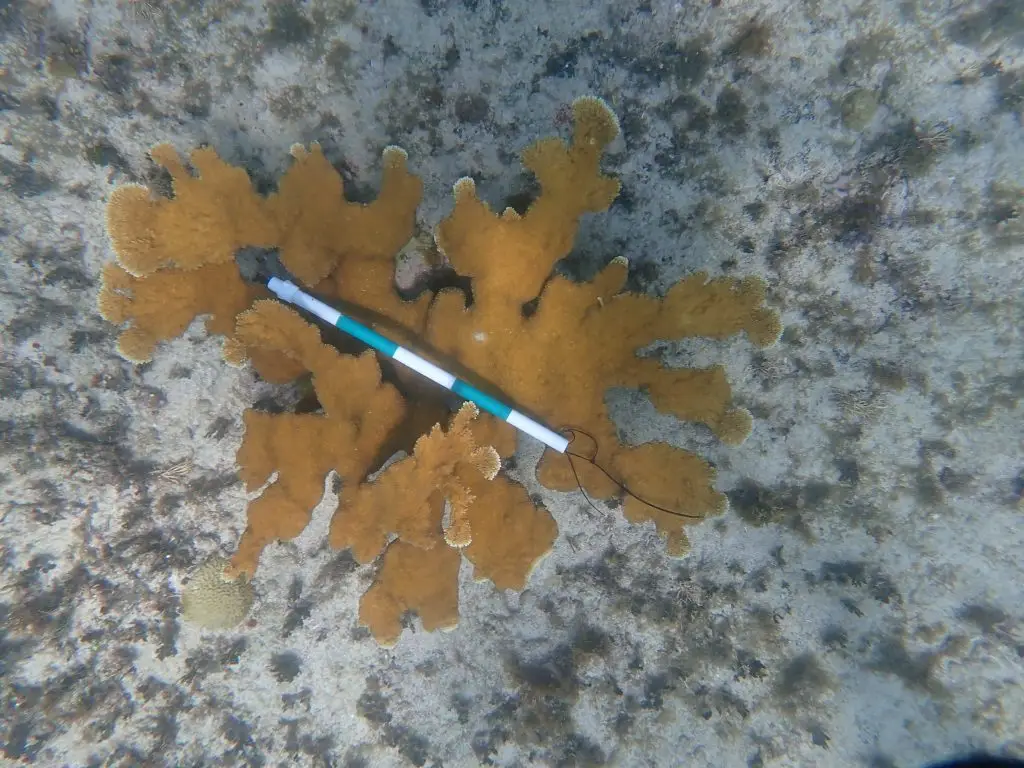
These two initiatives take complementary approaches to enhancing coral reef health and ecosystem function within NDNP. The WANSEC Project focuses on large-scale outplanting of elkhorn coral using small “nubbin”-sized fragments.
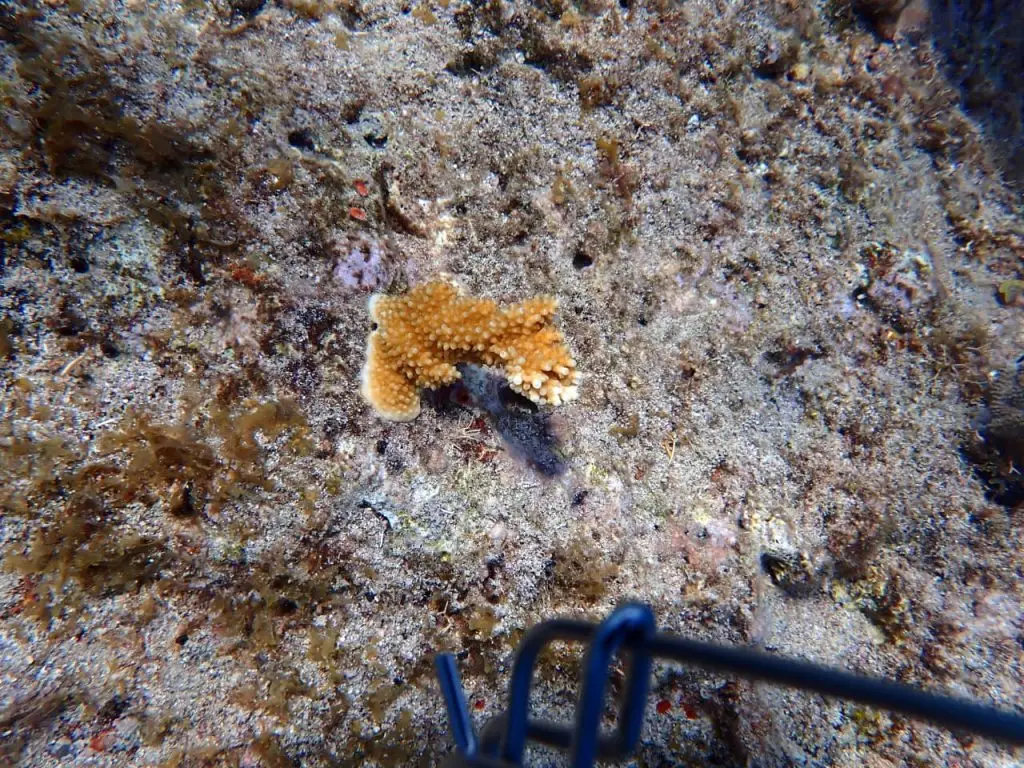
These are deployed at high densities across selected sites to test their capacity to restore reef structure and attenuate wave energy as the corals grow. While inherently a long-term strategy, this approach enables the scaling of restoration efforts by maximizing the number of outplants while minimizing stress on donor wild colonies.
In contrast, the EbA Project has enabled more targeted restoration of both elkhorn and staghorn coral at pre-identified reef sites within the park following the AGRRA surveys.
This has been particularly critical for staghorn coral, which has experienced near-complete loss from many local reef systems following successive mass bleaching events. By prioritizing cultivation and outplanting of this species, the project supports not only species recovery but also the restoration of essential reef complexity and habitat.
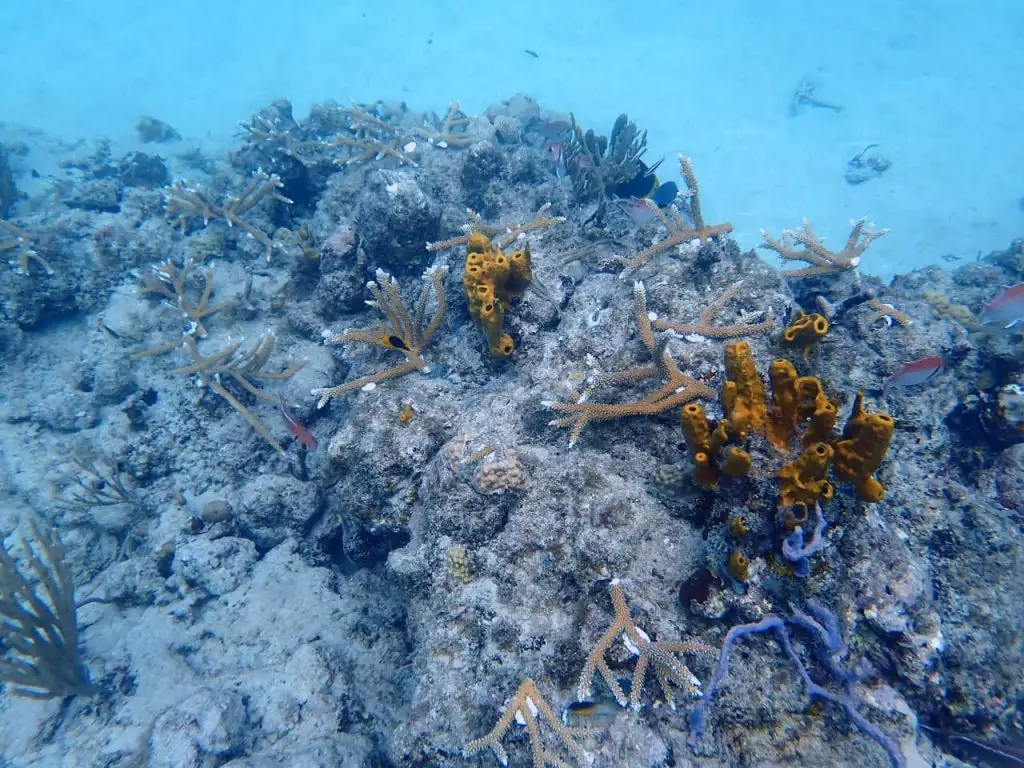
However, implementation of both projects has not been without challenges. The 2023–2024 global mass coral bleaching event caused widespread thermal stress across Caribbean reefs, resulting in delays to restoration timelines and necessitating adaptive management responses.
Despite these setbacks, the experiences gained have strengthened local capacity and reinforced the importance of flexible, science-based restoration strategies.
Looking ahead, the NPA remains committed to continuing coral restoration beyond the lifespan of these projects. Through its established coral restoration programme, the Authority aims to build on current efforts to enhance reef resilience, restore critical ecosystem functions, and safeguard the natural capital that underpins both biodiversity and livelihoods within NDNP.
The views expressed in these articles are for information only and do not represent the official position of the Caribbean Biodiversity Fund or its partners. The WANSEC and WCMC projects are funded through the CBF Ecosystem-based Adaptation (EbA) Facility, a project supported by the German Federal Ministry for the Environment, Climate Action, Nature Conservation and Nuclear Safety (BMUKN) through the International Climate Initiative (IKI) and KfW.