Countries: Antigua, Barbuda, Barbados
Project name: University of the West Indies, Mona Campus Wave Attenuation: Natural Solutions using Elkhorn Coral (WANSEC) Project
Author: Ruleo Camacho
Caribbean reefs face unprecedented stress after the 2023–2024 bleaching event. This article explores the survival, structure, and genetic diversity of elkhorn coral across the Eastern Caribbean.
Caribbean coral reefs, like many globally, are reeling from the fourth mass coral bleaching event of 2023–2024. Prolonged marine heatwaves pushed sea temperatures beyond historical limits, triggering widespread bleaching, tissue loss, and mortality among reef-building corals. For Small Island Developing States (SIDS), where reefs support coastal protection, fisheries, and tourism, these impacts are both ecological and socio-economic.
Even before this crisis, Caribbean reefs were in long-term decline. The Status and Trends of Caribbean Coral Reefs: 1970–2024 report highlights significant losses in live coral cover since the 1970s, driven by disease, overfishing, coastal development, and climate change. While localized recoveries have occurred, these gains remain fragile under increasing thermal stress, with some areas experiencing losses exceeding 90% during the most recent bleaching event.
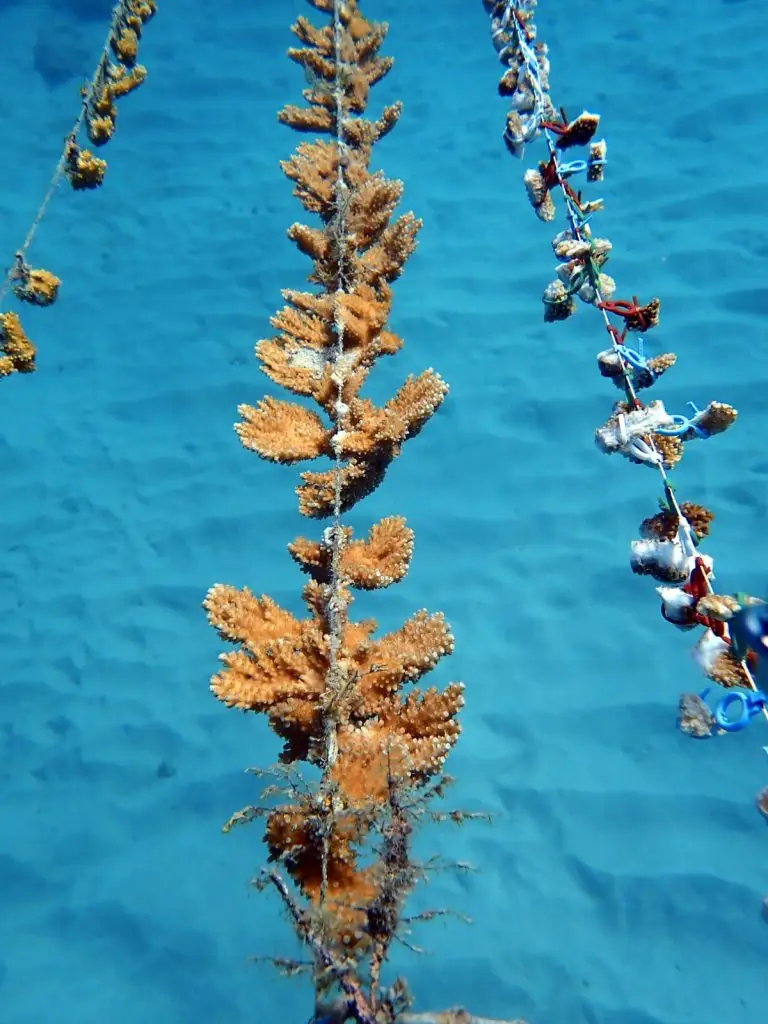
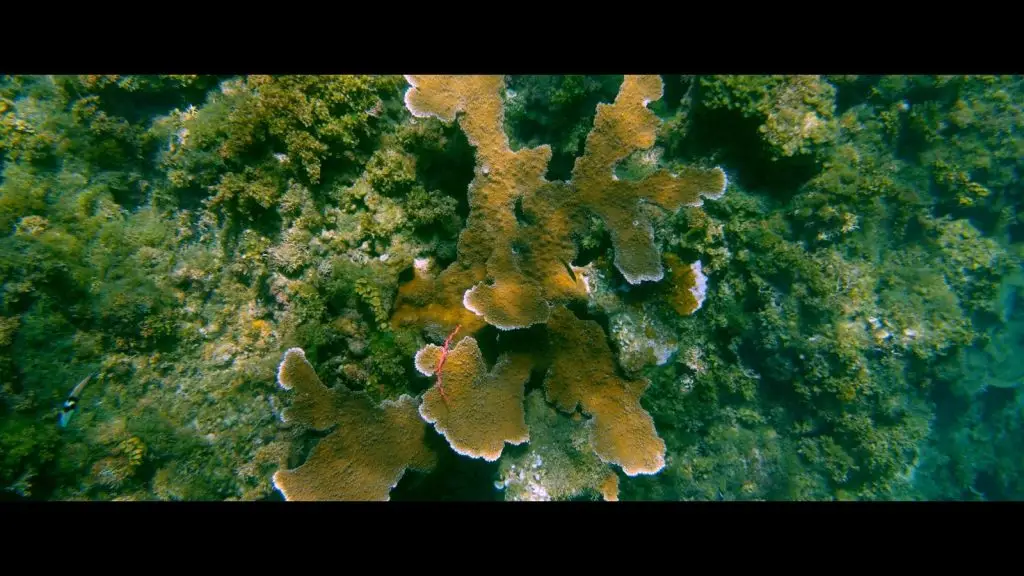
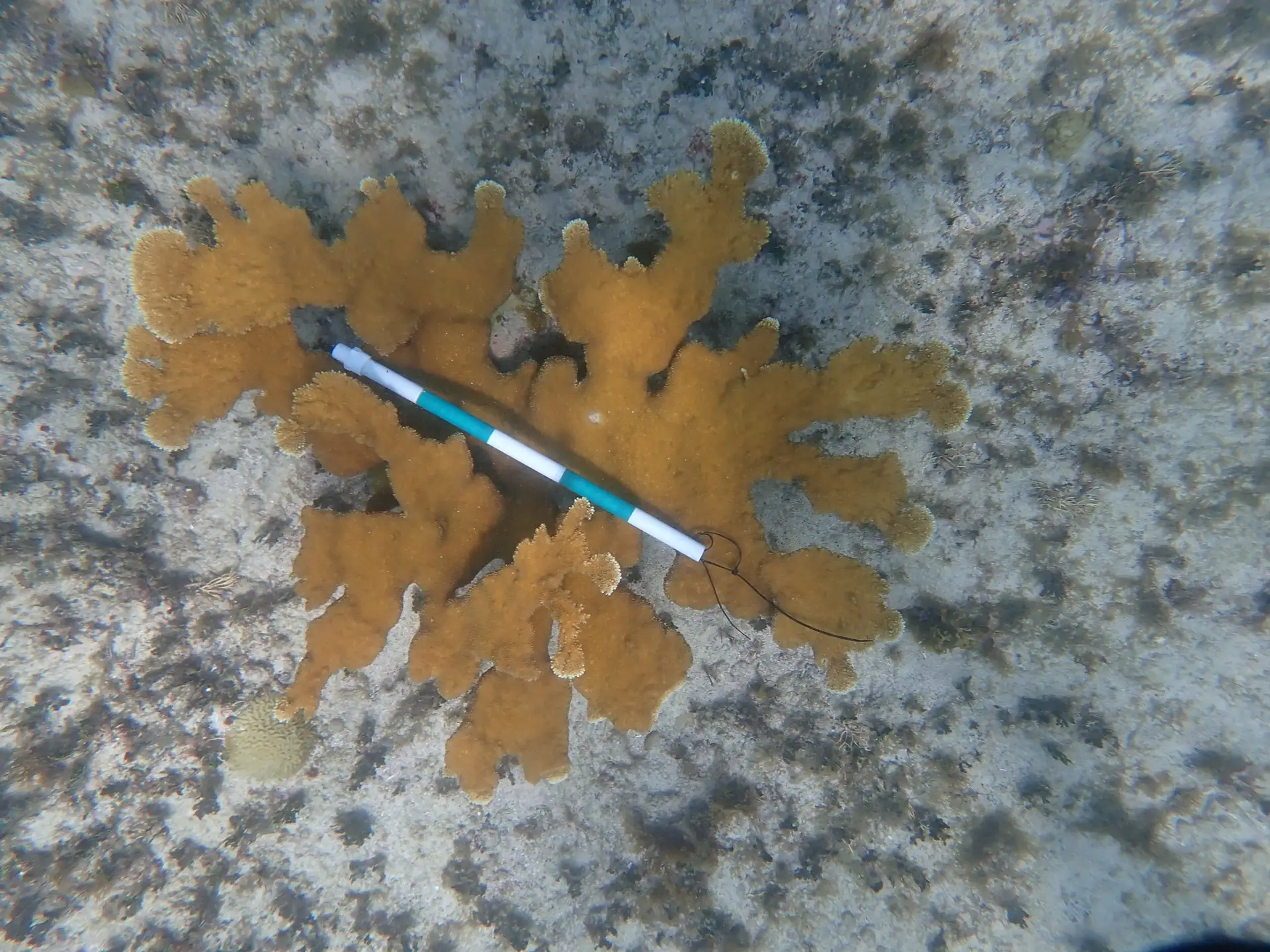
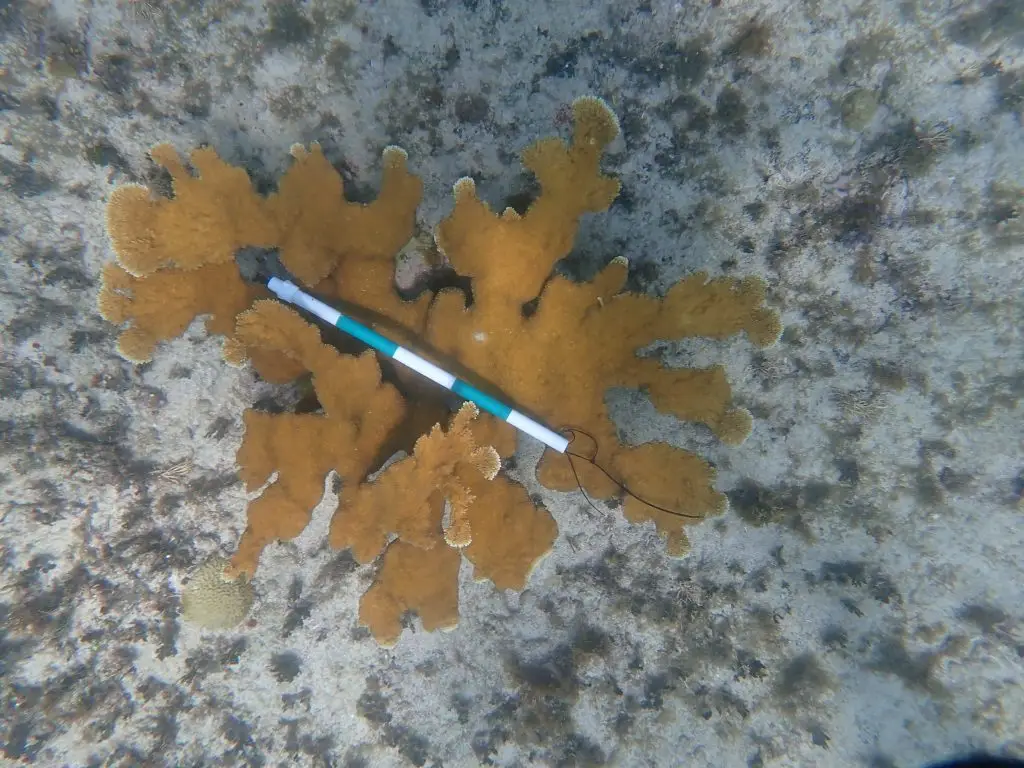
Among the most important reef builders in the Caribbean are elkhorn coral, Acropora palmata, and staghorn coral, Acropora cervicornis. These fast-growing, branching species are critical to shallow reef systems, creating complex habitats that support biodiversity, enhance fisheries productivity, and dissipate wave energy. Their structural role makes them central to both ecosystem function and restoration.
Elkhorn coral experienced dramatic regional declines in the late 1970s and 1980s, primarily due to white-band disease, with losses exceeding 80–90%. Over the past two decades, some recovery has been observed through natural regrowth and restoration. However, observations following the 2023–2024 bleaching event suggest many of these gains may have been reversed.
A key, yet often overlooked, factor in elkhorn recovery is genetic diversity. As a broadcast spawning species, successful reproduction depends on genetically distinct colonies occurring in close proximity. High clonality, which is common in fragmented populations, can limit reproductive success and reduce adaptive capacity under environmental stress. Despite its importance, regionally comparable data on elkhorn genetic diversity remain limited, particularly in the Eastern Caribbean.
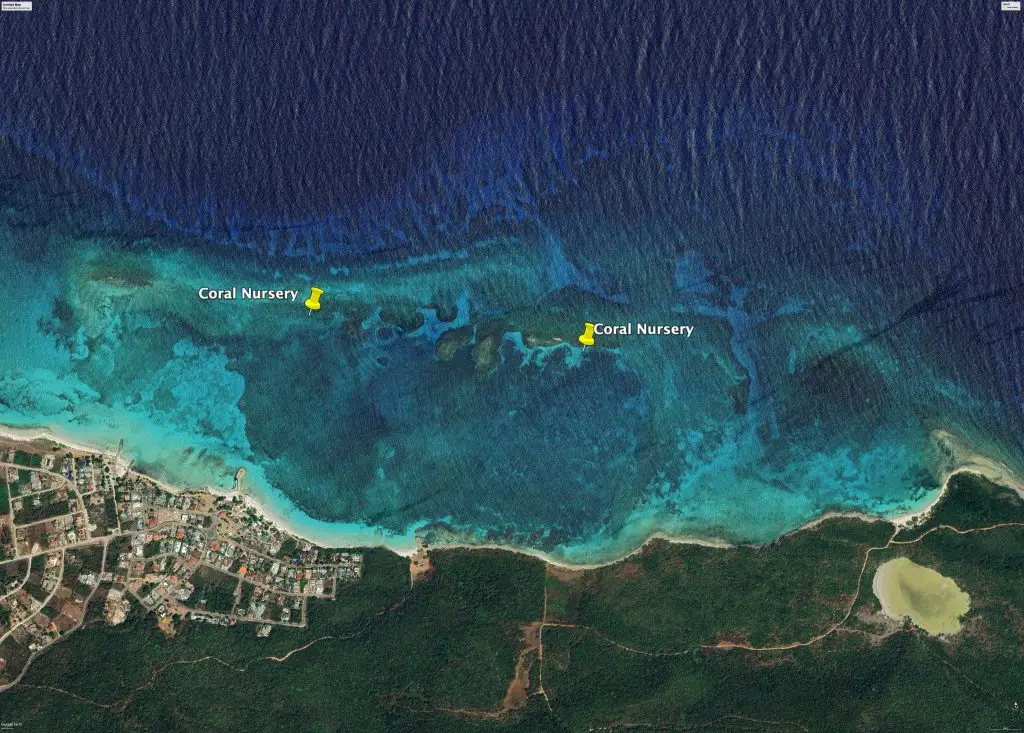
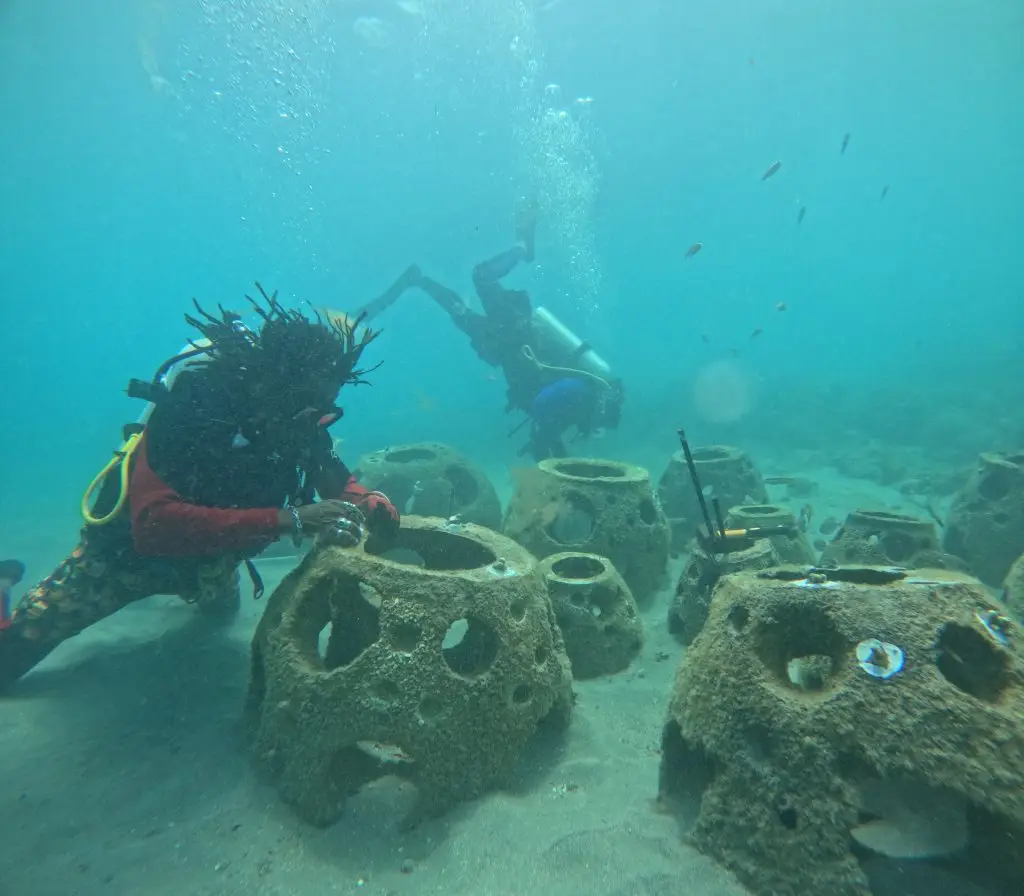
My doctoral research aims to address this gap by documenting the size structure, spatial distribution, and genotypic diversity of surviving elkhorn populations in Antigua, Barbuda, and Barbados. Using integrated field surveys, geospatial mapping, and genetic analyses, this work seeks to assess population status, evaluate their ability to maintain ecosystem functions, and inform coral reef management and restoration strategies.
This research also contributes to the regional Caribbean Biodiversity Fund project, Wave Attenuation: Natural Solutions using Elkhorn Coral (WANSEC).
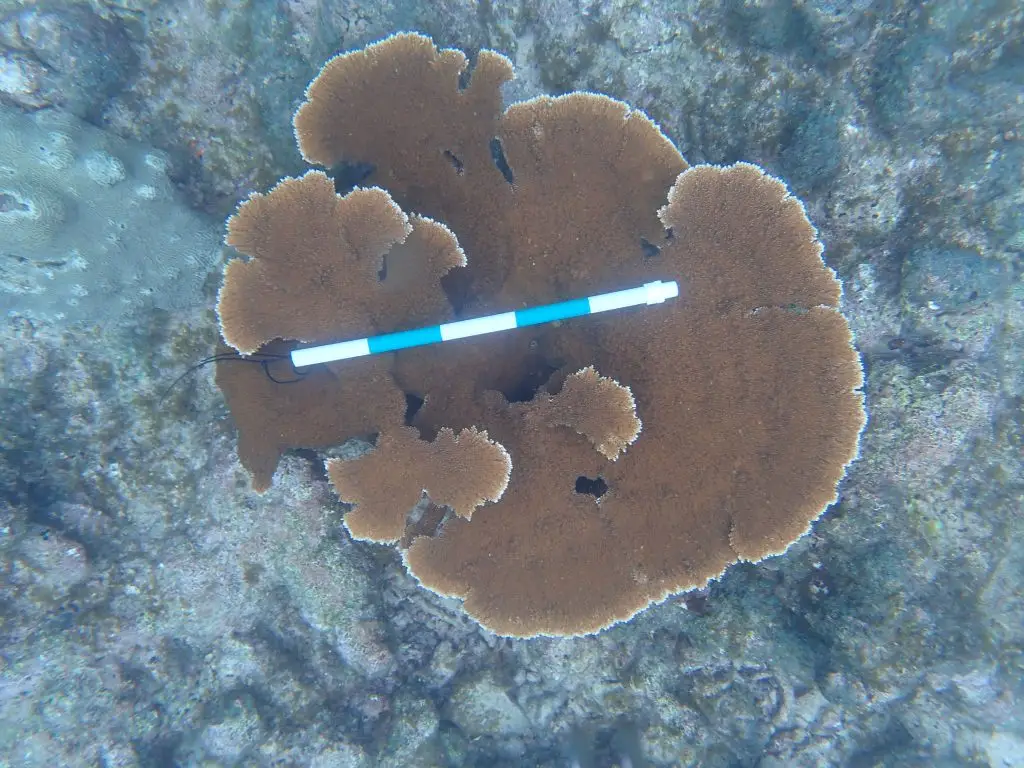
Preliminary observations have been both encouraging and concerning. While remnant elkhorn colonies persist across various depths and habitats, their distribution is patchy, and colony sizes vary widely, raising questions about reproductive viability and long-term resilience. Notably, surveys have revealed a striking absence of staghorn coral across many sites, highlighting the continued vulnerability of this species and ongoing shifts in reef composition.
As climate change accelerates, strengthening our understanding of coral population structure and genetic resilience is critical. These insights will help guide targeted restoration, inform spatial management, and support more adaptive, science-based approaches to safeguarding Caribbean coral reefs.
The views expressed in these articles are for information only and do not represent the official position of the Caribbean Biodiversity Fund (CBF) or its partners. The WANSEC project is funded through the CBF Ecosystem-based Adaptation (EbA) Facility, a project supported by the German Federal Ministry for the Environment, Climate Action, Nature Conservation and Nuclear Safety (BMUKN) through the International Climate Initiative (IKI) and KfW.