Country: Saint Vincent and the Grenadines
Organization: CLEAR Caribbean
Author: Falco Martin
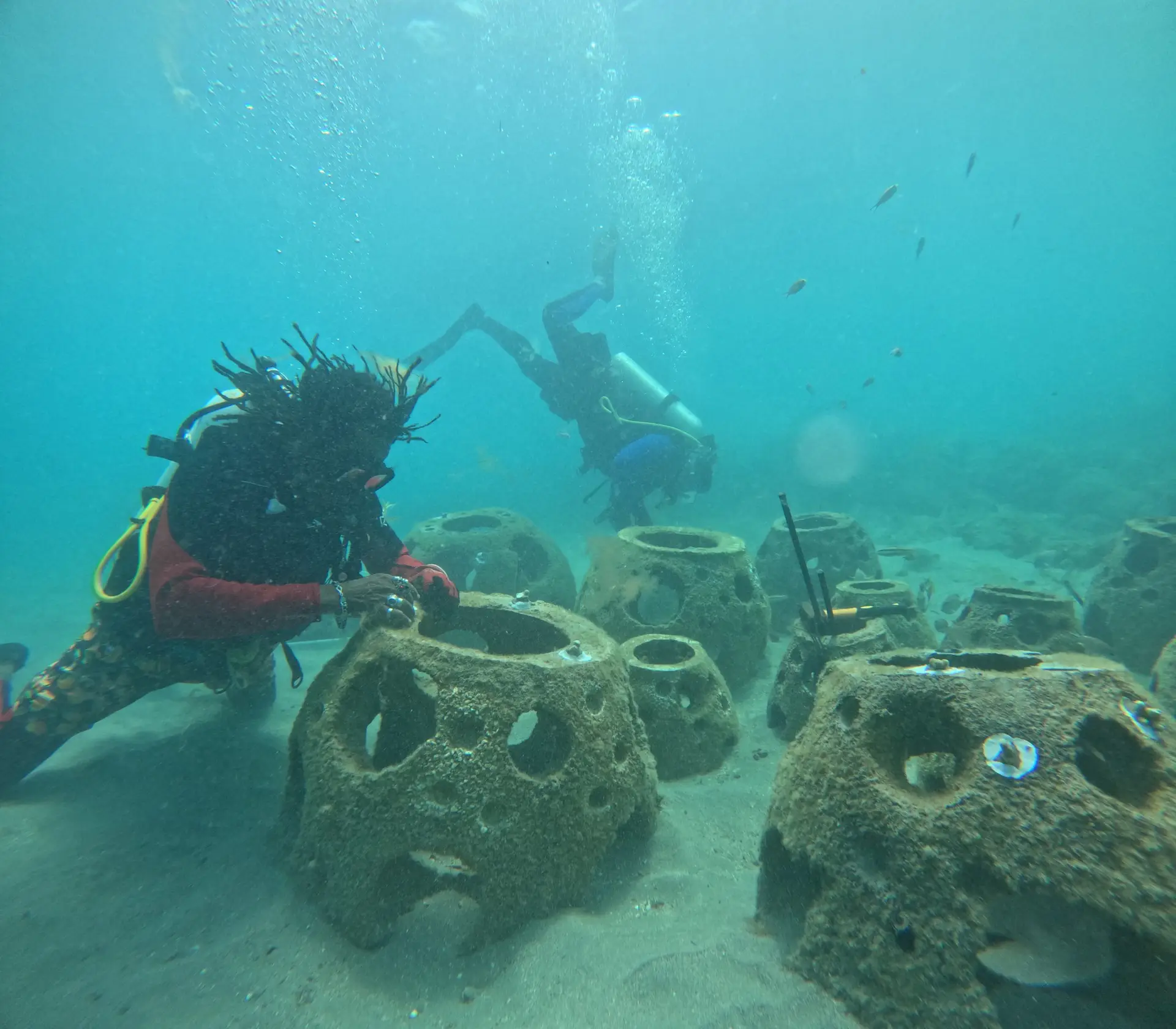
The Mayreau Hybrid Reef Restoration Project is delivering signs of hope for reefs devastated by Hurricane Beryl and the extreme bleaching of 2024. Using an innovative hybrid approach that combines Reef Balls with live coral planting, local teams are getting promising early results for a new low-risk and effective approach to reef restoration.
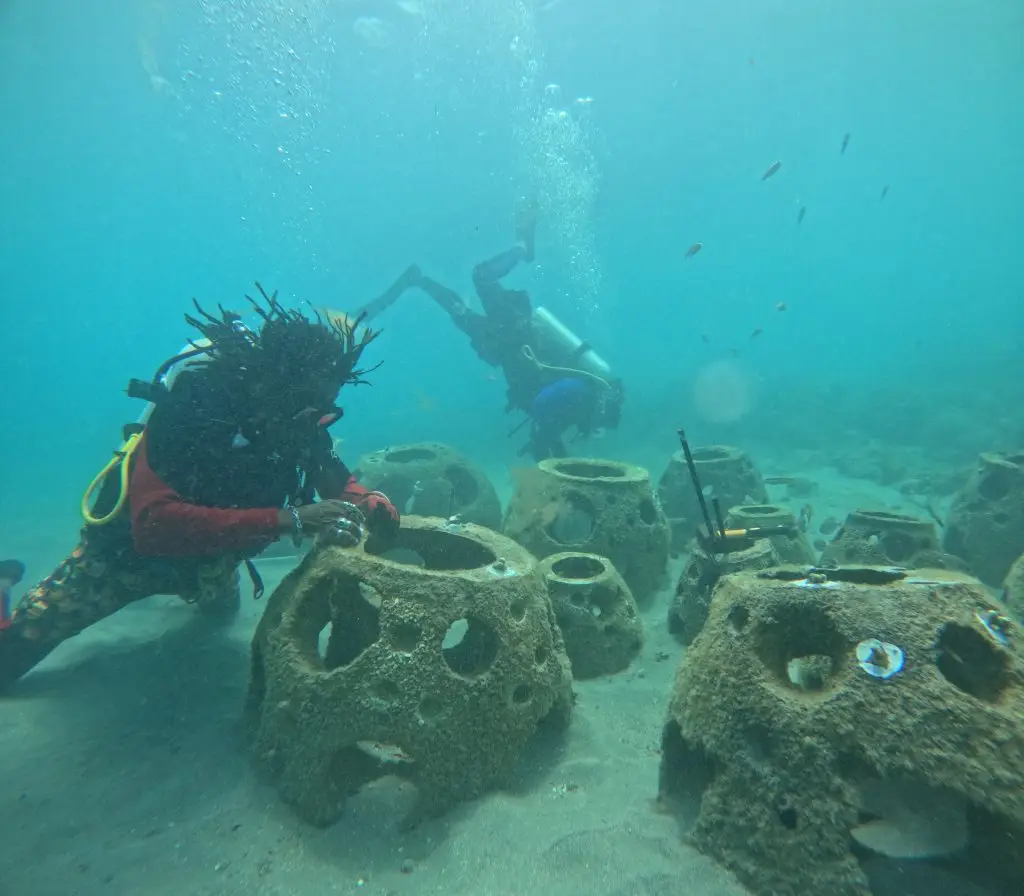
A pioneering coral restoration effort in Saint Vincent and the Grenadines (SVG) is showing promising early results, as teams from Mayreau and Union Island report a new milestone in rebuilding reef ecosystems following widespread damage from Hurricane Beryl and the 2024 mass bleaching event.
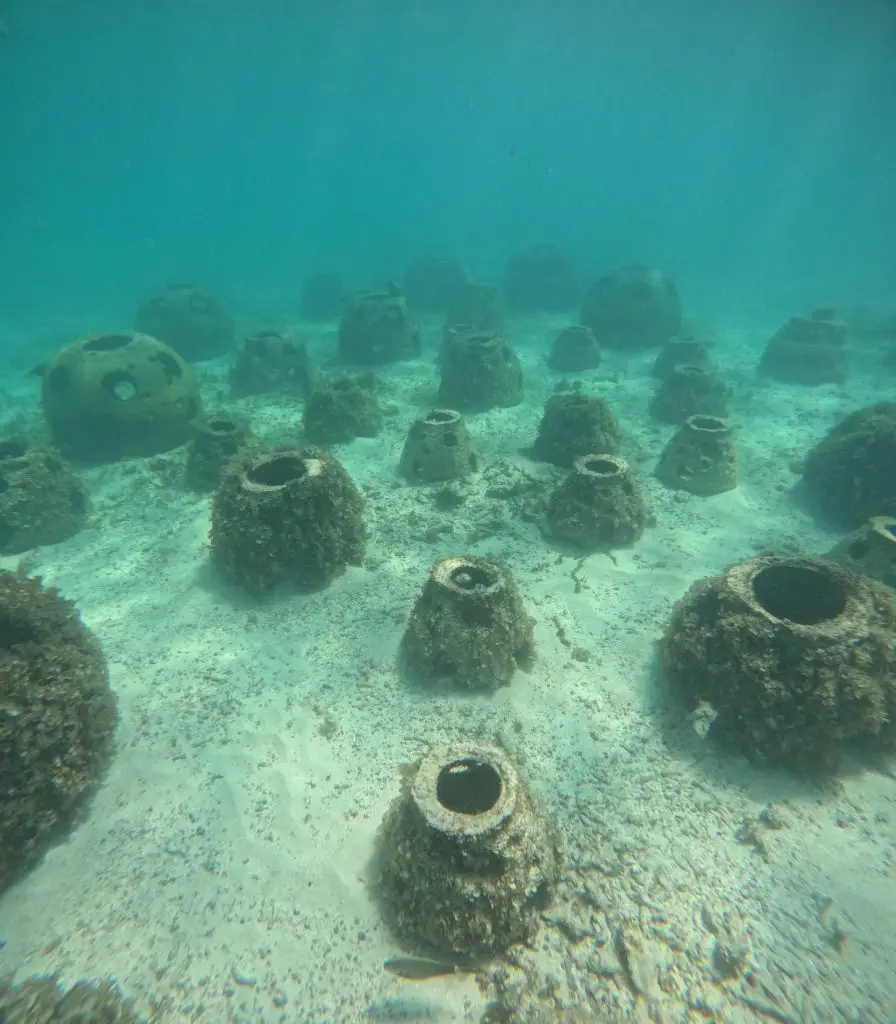
As part of their CBF-funded project, EbA3_025, CLEAR Caribbean, in collaboration with project partners We Are Mayreau Inc., Richmond Vale Academy, and the Tobago Cays Marine Park, has introduced an innovative “hybrid reef” approach to SVG that combines Reef Balls, which are manmade structures, with live coral planting.
This method aims to accelerate reef recovery while enhancing biodiversity, strengthening coastal protection, reducing climate risks, and supporting sustainable livelihoods.
A key milestone came with a week-long intensive training program led by the Reef Ball Foundation, held in October and November 2025. The training brought together 29 participants from multiple organisations and communities, equipping them with hands-on skills in Reef Ball construction, coral propagation, and deployment techniques.
By the end of the training, participants had constructed 36 Reef Balls and achieved Level 2 certification, strengthening local capacity for long-term reef enhancement work.
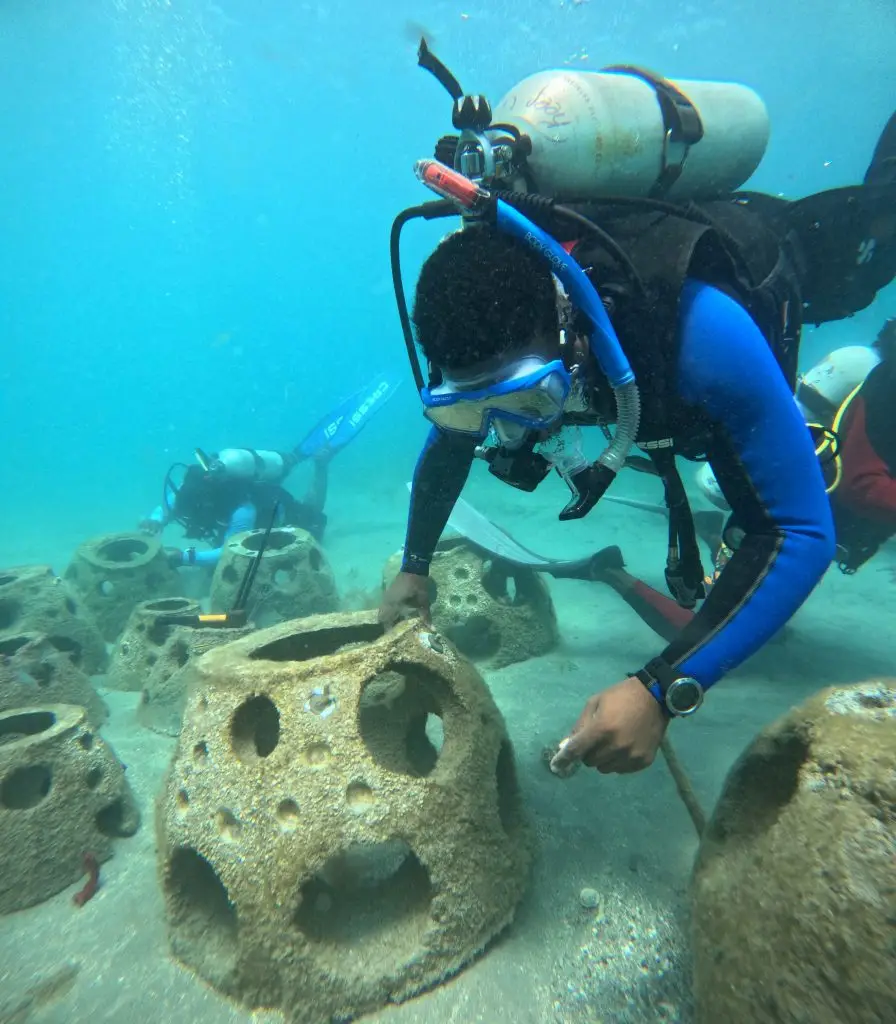
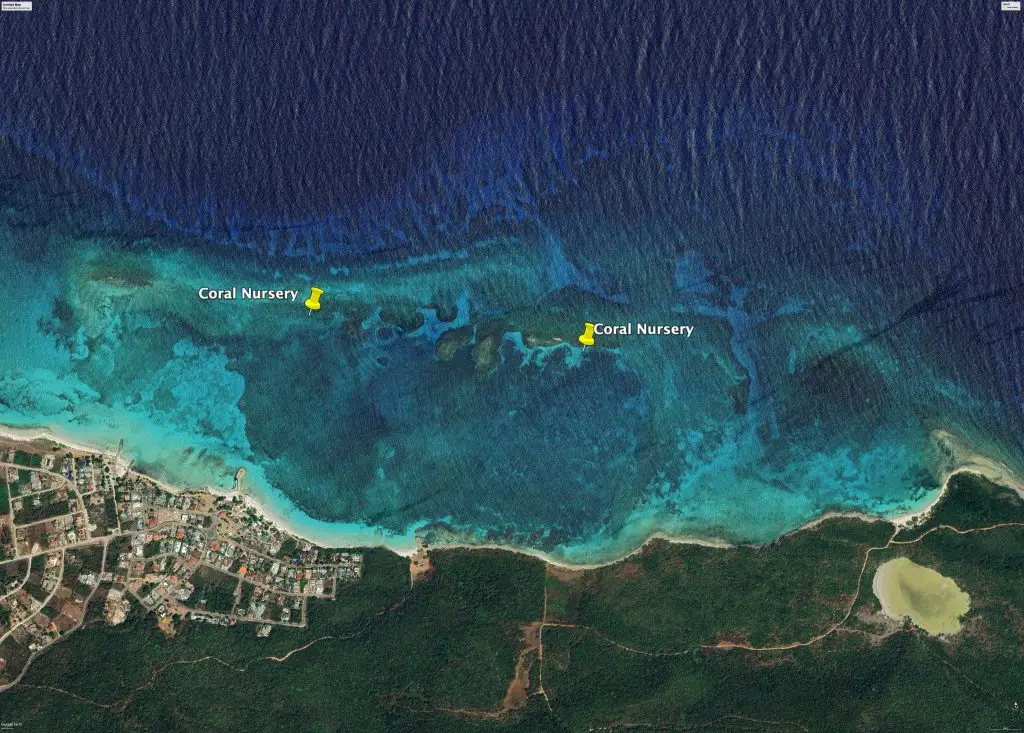
Since then, progress has accelerated. The teams have built and deployed over 100 Reef Balls across two sites within the Tobago Cays Marine Park. These structures serve as stable substrates for coral attachment and provide immediate habitat for marine life.
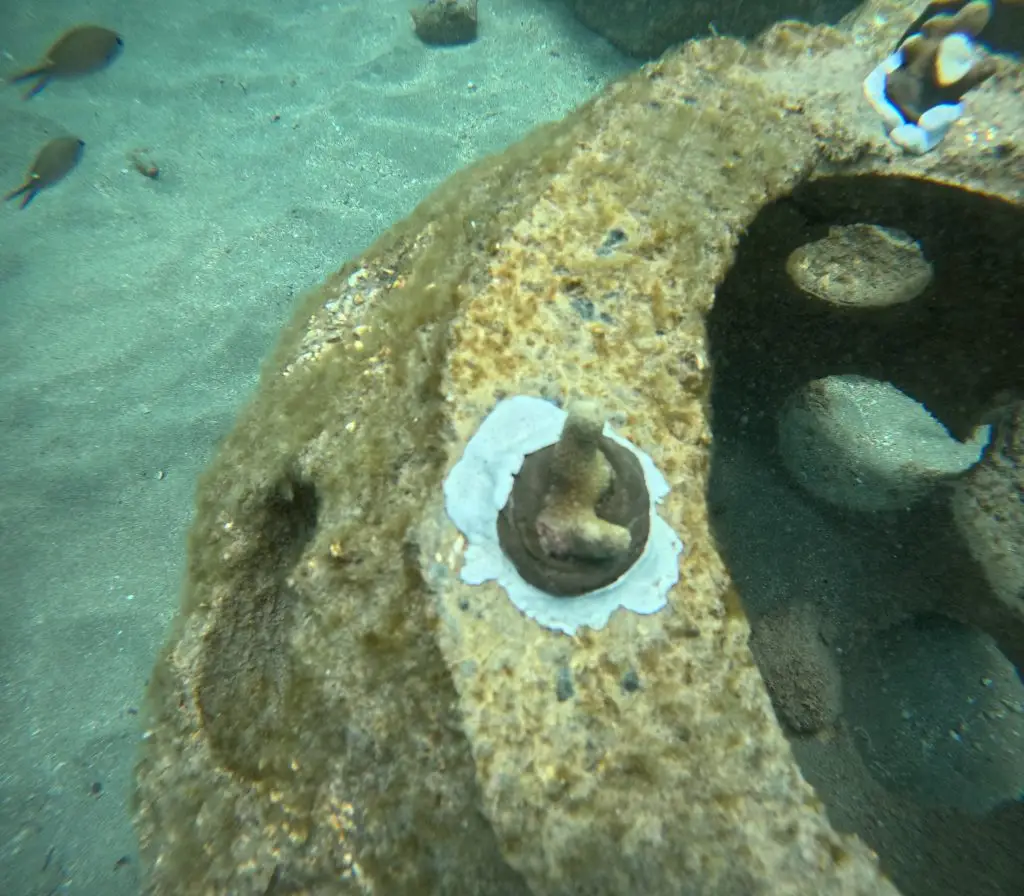
Early ecological observations are encouraging: the Reef Balls have already been colonized by fish, crustaceans, and algae, indicating rapid integration into the marine environment.
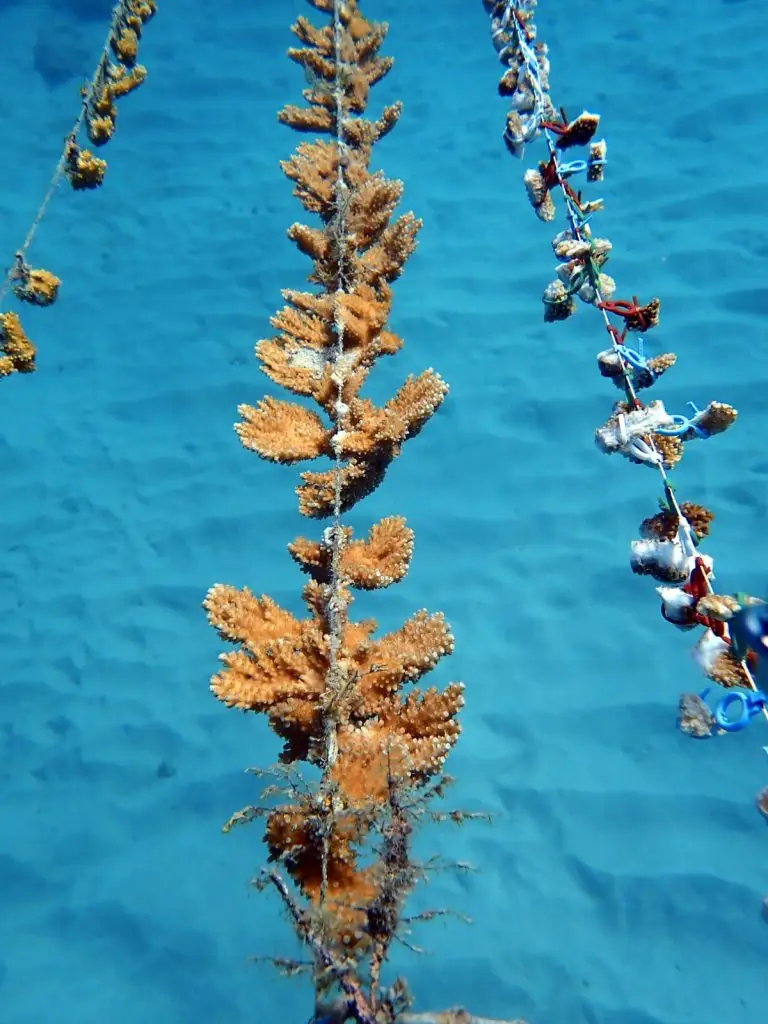
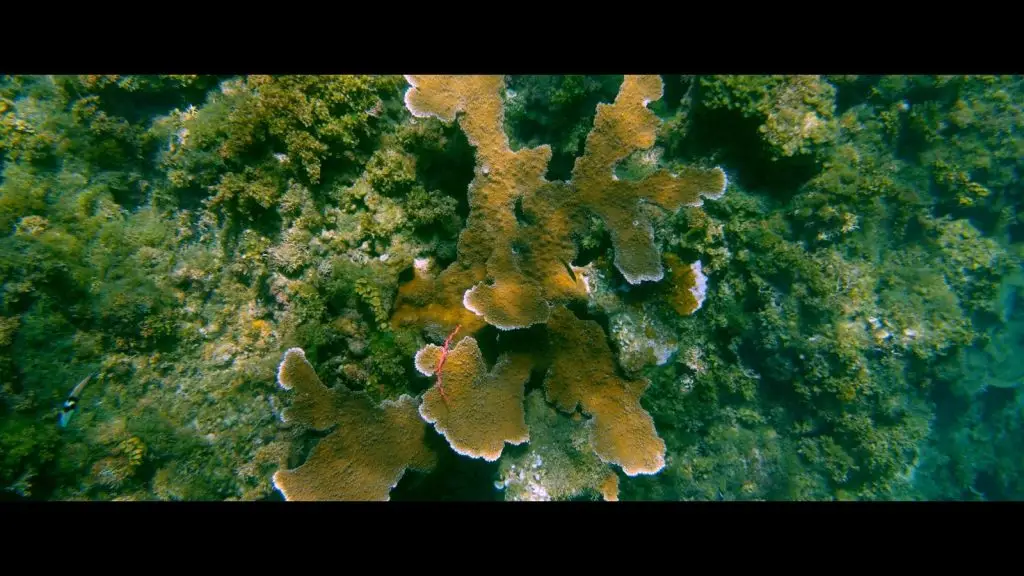
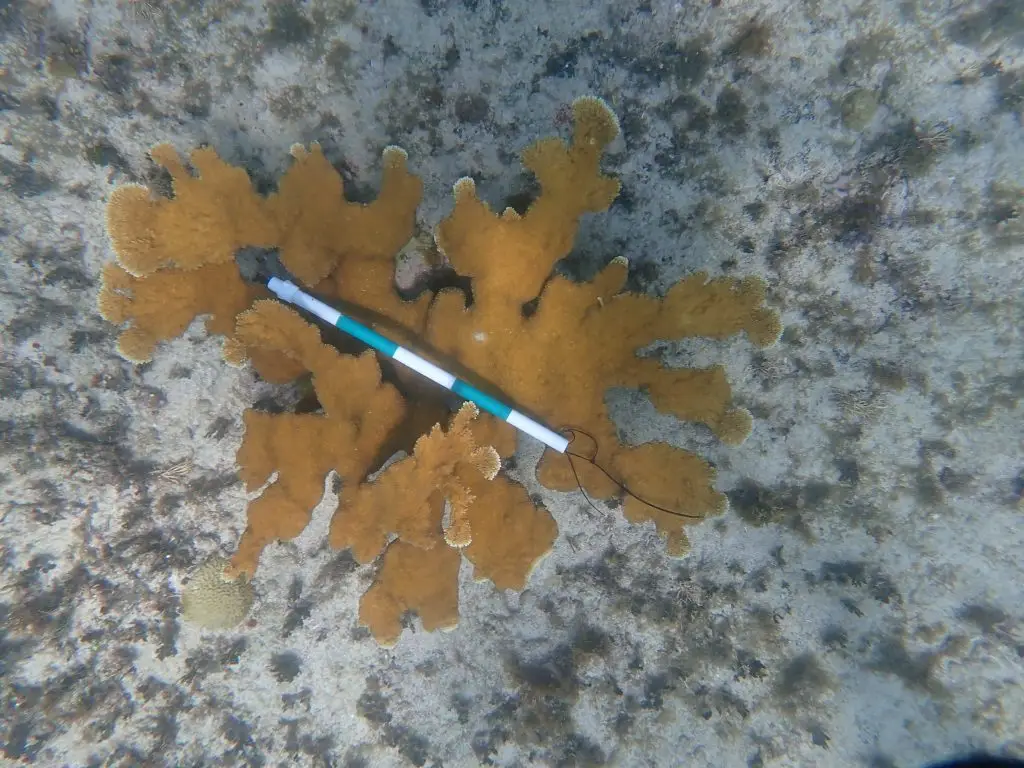
Coral propagation efforts on the Reef Balls are also yielding positive results, with out-planted coral fragments, primarily finger and brain corals, showing high survival and good growth rates.
Monitoring is now a central component of the program. Ongoing assessments will track coral growth, survival, and overall reef health, as well as changes in fish populations and benthic communities. The integration of temperature loggers, installed in partnership with researchers, will further support understanding of environmental conditions affecting coral resilience.
Beyond ecological gains, the project is fostering strong community engagement. A public outreach event held during the training week attracted around 60 attendees, raising awareness about reef conservation and the importance of restoration efforts.
Additionally, a short documentary released in January 2026 highlights the initiative and aims to amplify its impact through regional and international exposure.
The initiative also plans to expand to additional sites and develop ecotourism opportunities, including partnerships that allow visitors to sponsor Reef Balls to expand the hybrid reef concept to new areas.
With strong early results, growing local expertise, and a clear path forward, the Mayreau Hybrid Reef Project is emerging as a model for community-driven coral restoration in the Caribbean.
Watch a short video on the Mayreau Hybrid Reef Project here:
https://www.youtube.com/watch?v=QXAUX01hNt4
The views expressed in these articles are for information only and do not represent the official position of the Caribbean Biodiversity Fund or its partners. CLEAR’s project EbA3_025 is funded through the CBF Ecosystem-based Adaptation (EbA) Facility, a project supported by the German Federal Ministry for the Environment, Climate Action, Nature Conservation and Nuclear Safety (BMUKN) through the International Climate Initiative (IKI) and KfW.