Country: Jamaica
Project name: Derby Beach Marine Sanctuary
Author: Felix Charnley
Three years on from the Fourth Global Coral Bleaching Event of 2023–2024, a Jamaica-wide effort has led to the establishment of one of the largest in-situ repositories of individual Acropora genotypes in the Caribbean.
Three years after the Fourth Global Coral Bleaching Event of 2023–2024, a Jamaica-wide effort has led to the establishment of one of the largest in-situ repositories of individual Acropora genotypes in the Caribbean.
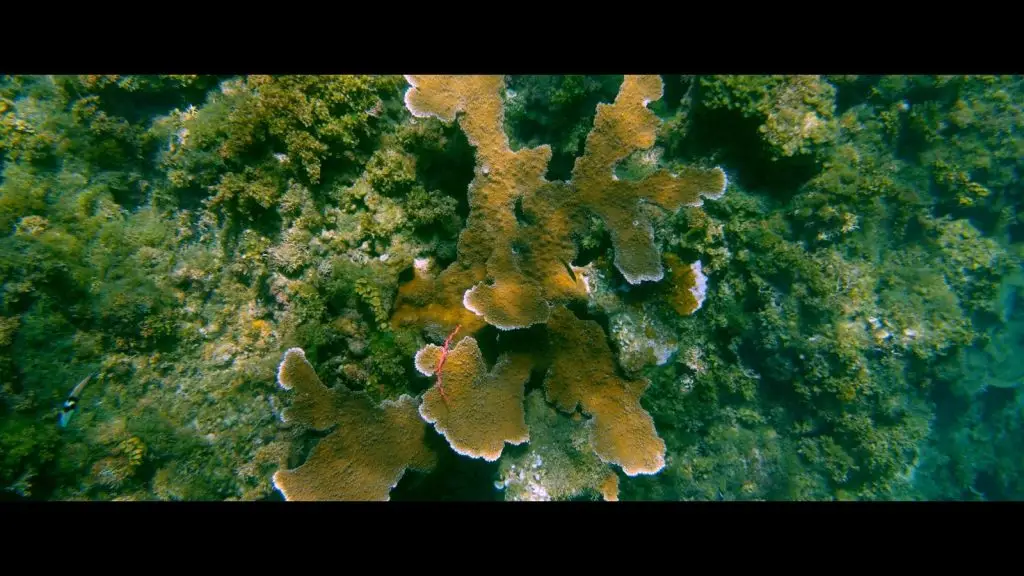
Each of these presumed genotypes, or sampled parent corals, represents one of the last remaining 300 colonies that were georeferenced over 91 miles of the northern coastline since the near-extirpation level dieback the genus suffered locally in October 2023.
The results after one year of the search campaign, spearheaded under the White River Fish Sanctuary in Ocho Rios, were presented at the Reef Futures symposium at the end of 2024. The search was extended through St. Mary and Hanover parishes in 2025, contributing to the additional re-establishment of diverse Acropora culture at Oracabessa, Boscobel, Lucea, and Grange Pen fish sanctuaries that year.
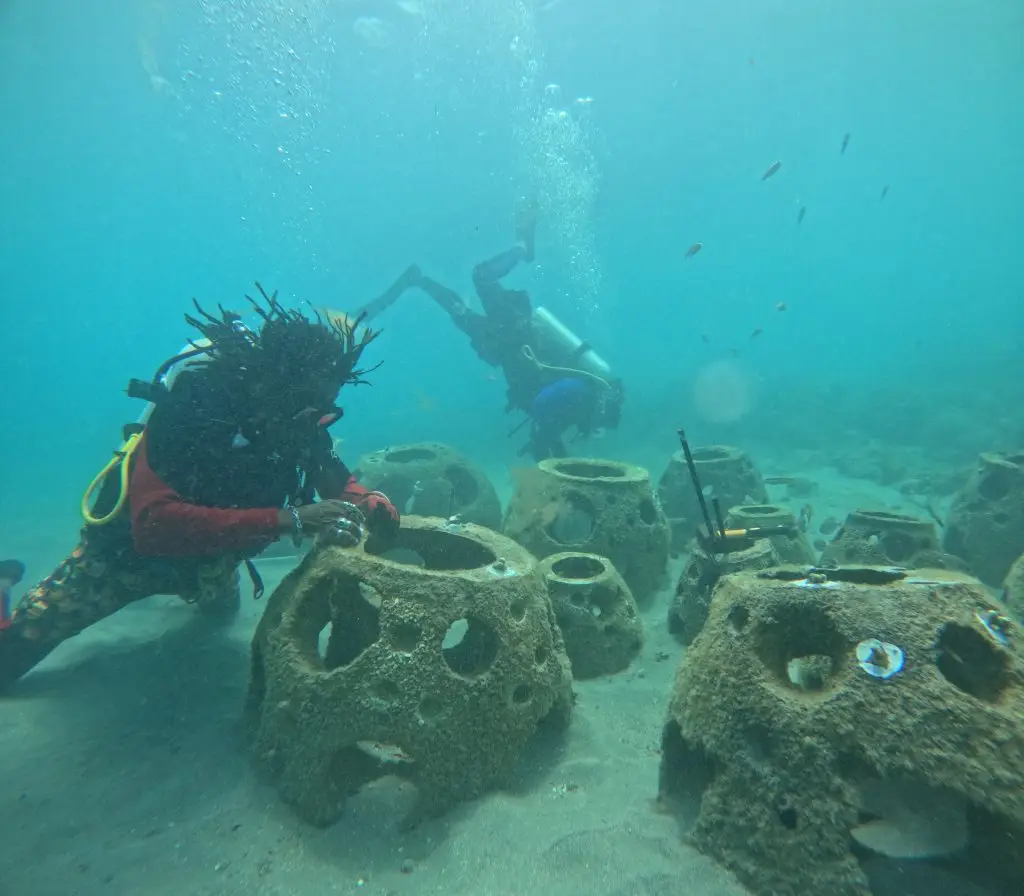
The Derby Beach Marine Sanctuary is the continuation of that essential work. Embraced by a committee of eco-conscious homeowners from the Silver Sands community and Fisher Friendly Society members from Duncans Bay, the project constitutes a central repository for survivors sourced throughout the entire parish of Trelawny.
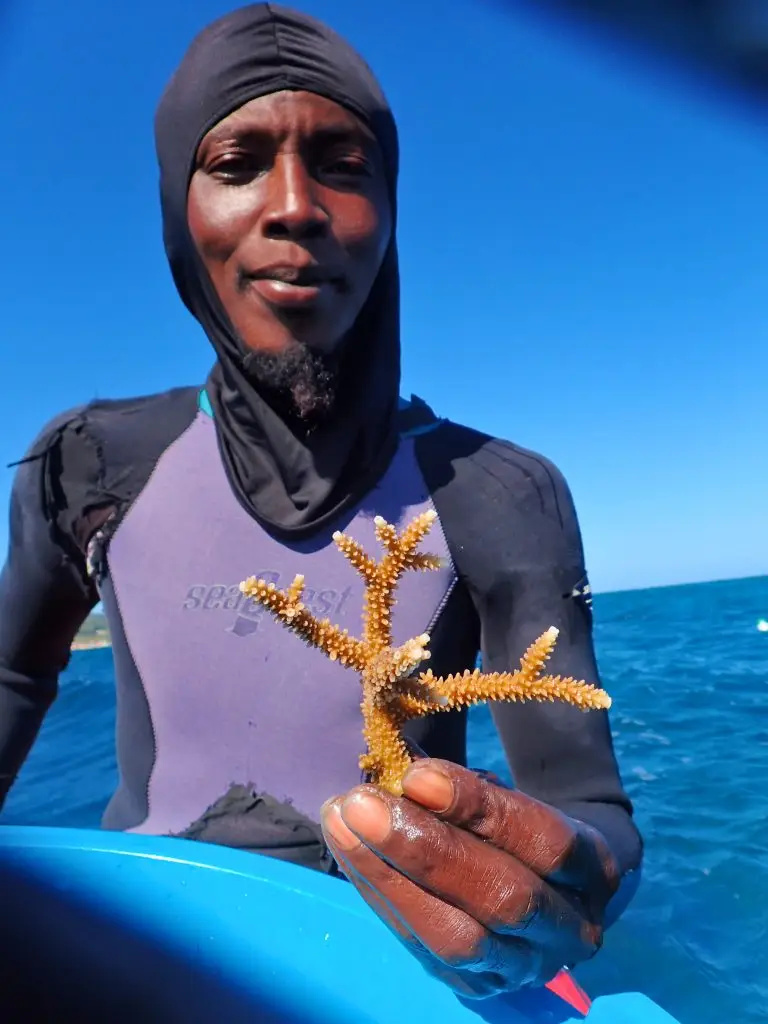
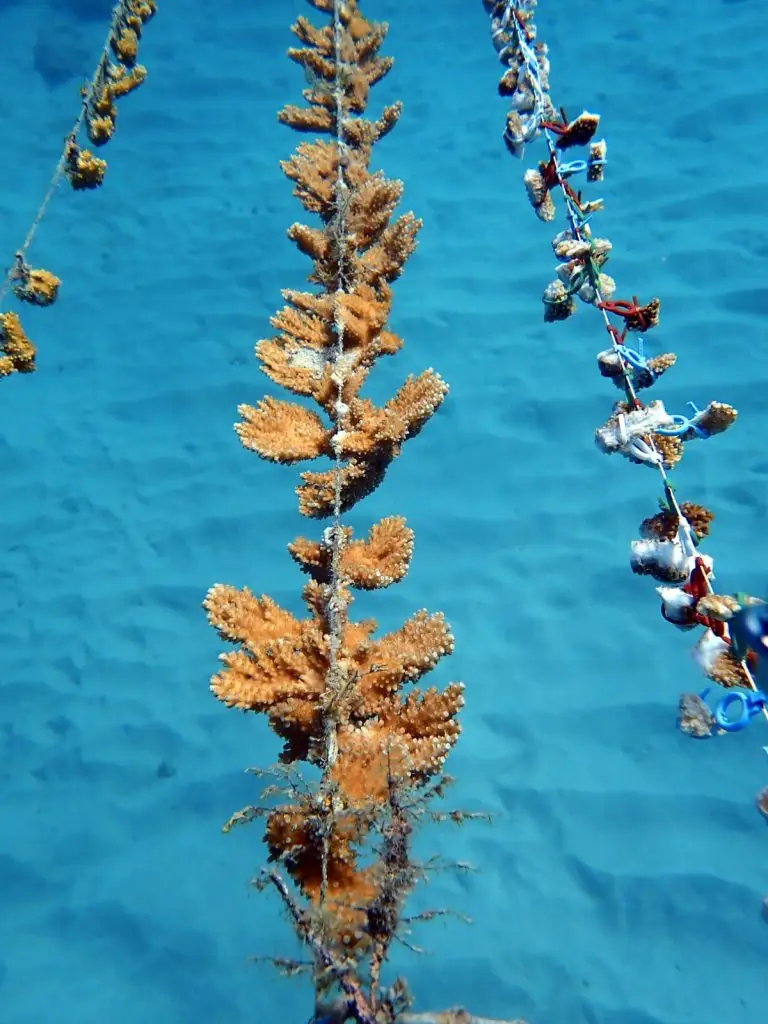
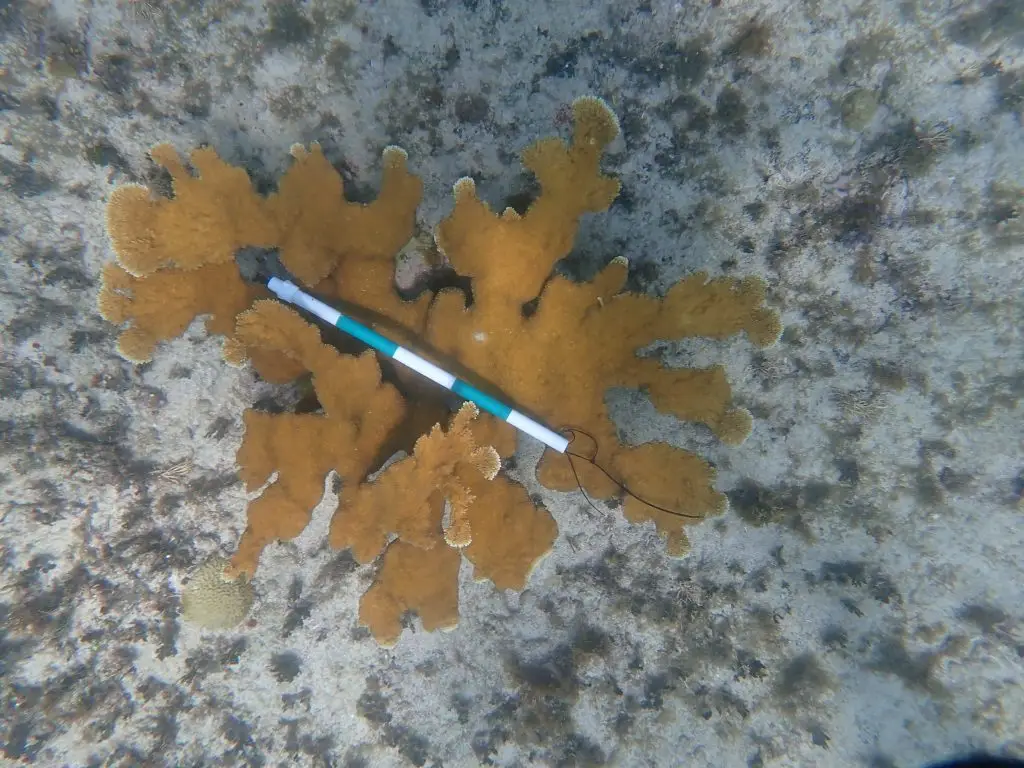
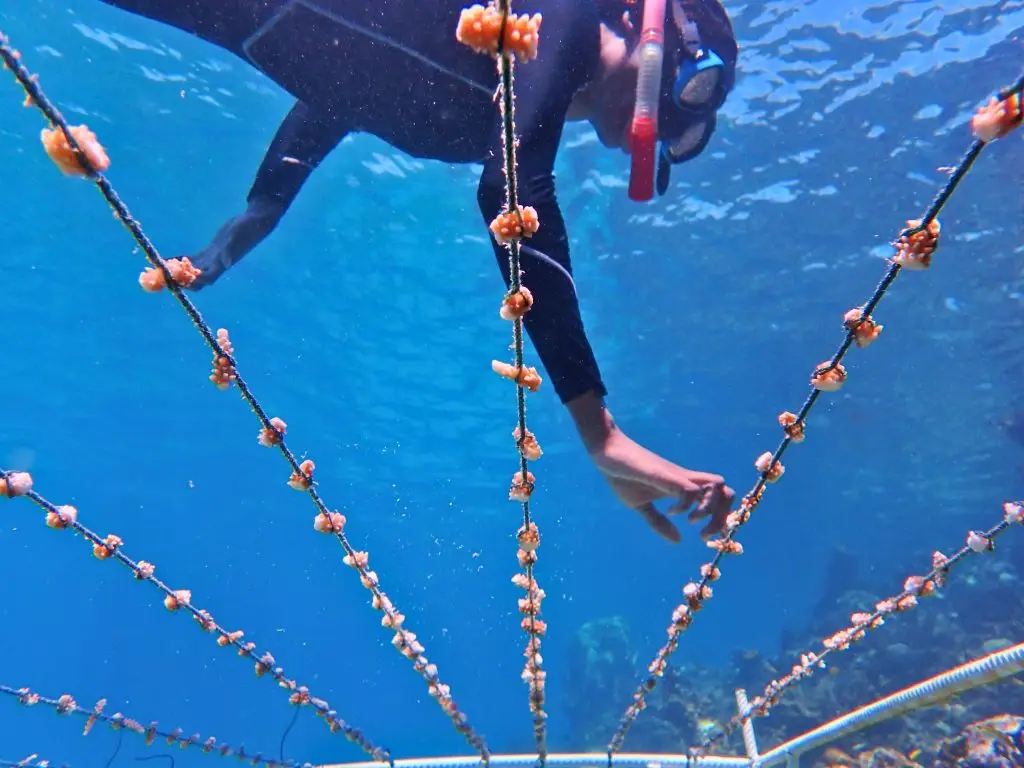
While housing approximately 3,000 clones altogether of varying size, Derby Beach has installed nurseries at four spots along the Silver Sands main reef since January 2025, with representation of 74 source colonies: 40 elkhorn, Acropora palmata; 23 staghorn, Acropora cervicornis; and 11 fused-staghorn, Acropora prolifera.
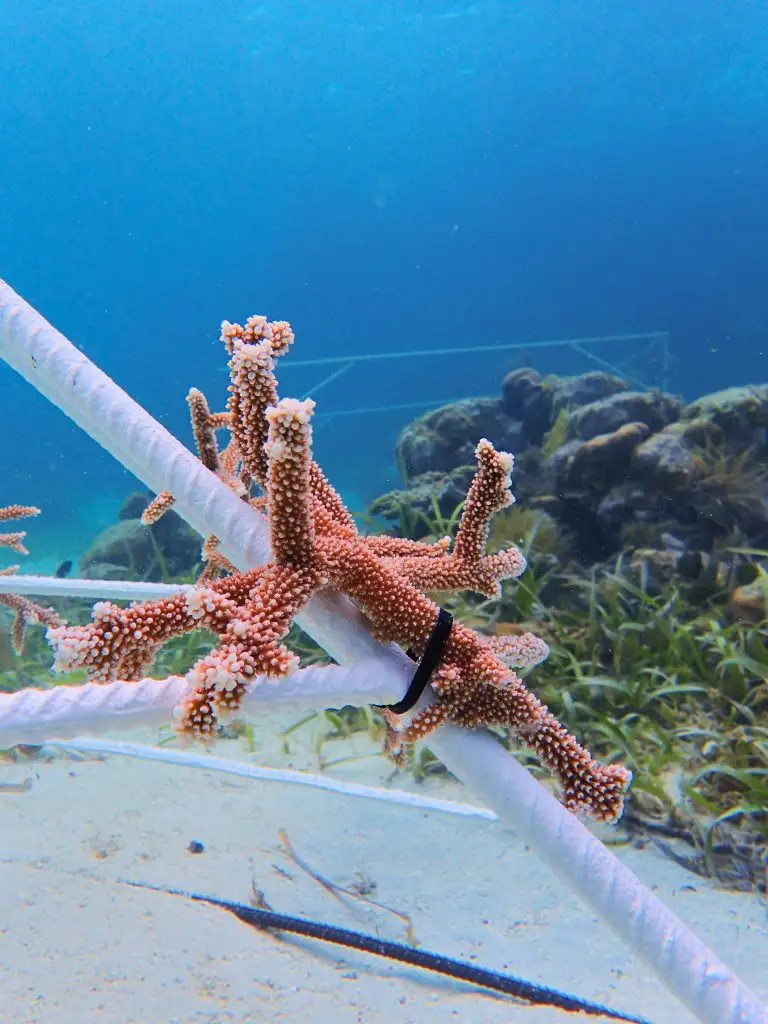
The aim is to secure maximum diversity within permanent nurseries towards establishing mature, crossbreeding populations on pocket scales that can be continually expanded along this reef system, and indeed others if inter-sanctuary sharing takes place.
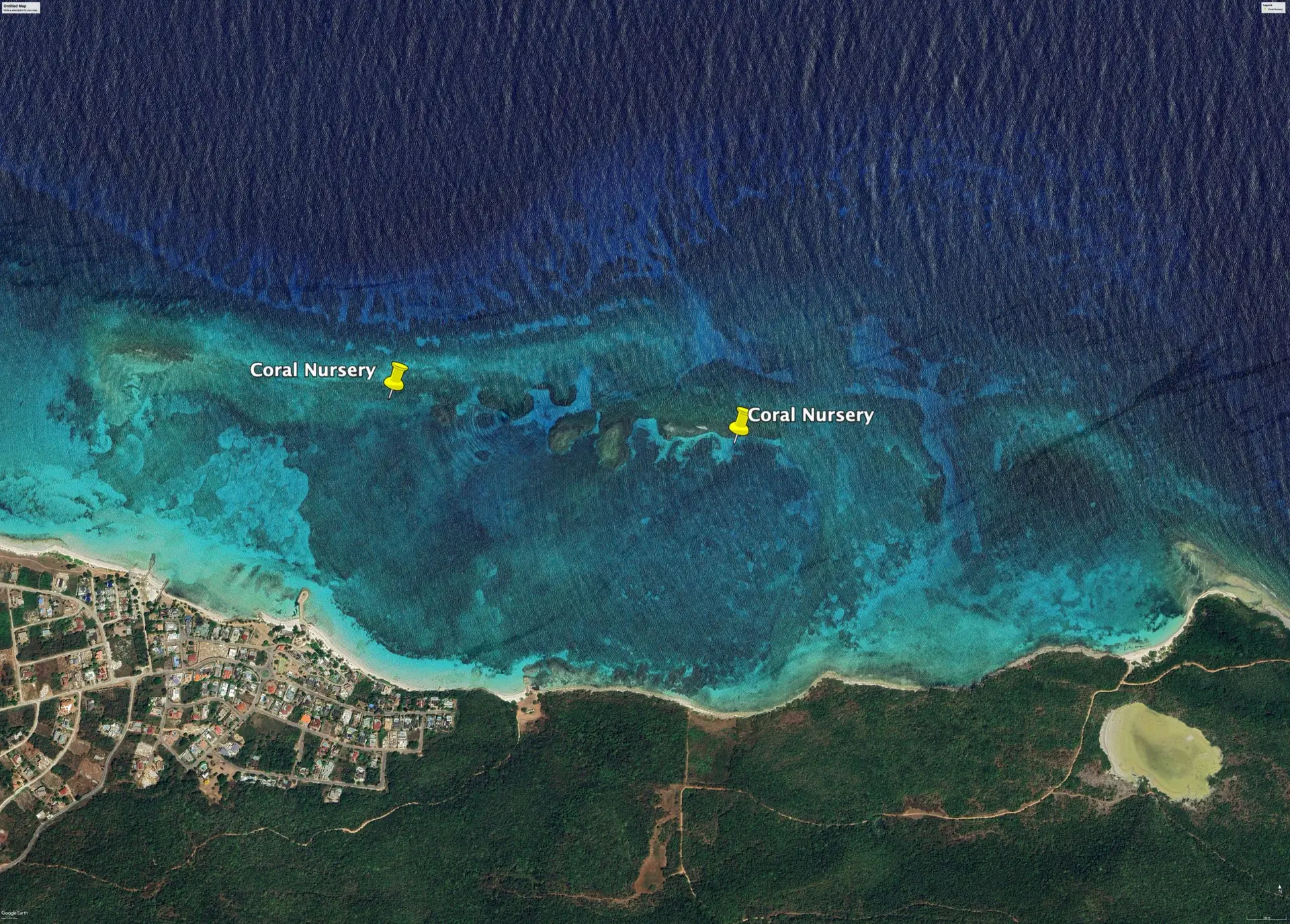
Derby Beach’s nurseries are located at Silver Sands, a storm-proof site where the almost one kilometre reef crest breaks the surface and drops to an average depth of five meters. The nurseries stood still when the eye of Category 5 Hurricane Melissa passed right over them in October.
Since 2025, the project has grown to take on three regular local spearfishers-cum-coral farmers and two marine biology graduates from the University of the West Indies as project staff.
The same 2023 El Niño-related temperature spike, which last November prompted NOAA to declare the functional extinction of this same genus throughout the entire Florida Reef Tract, caused the instant loss of over 98% of formerly present acroporid matter in Jamaica, where vast assemblages still occurred in certain areas as recently as September that year.
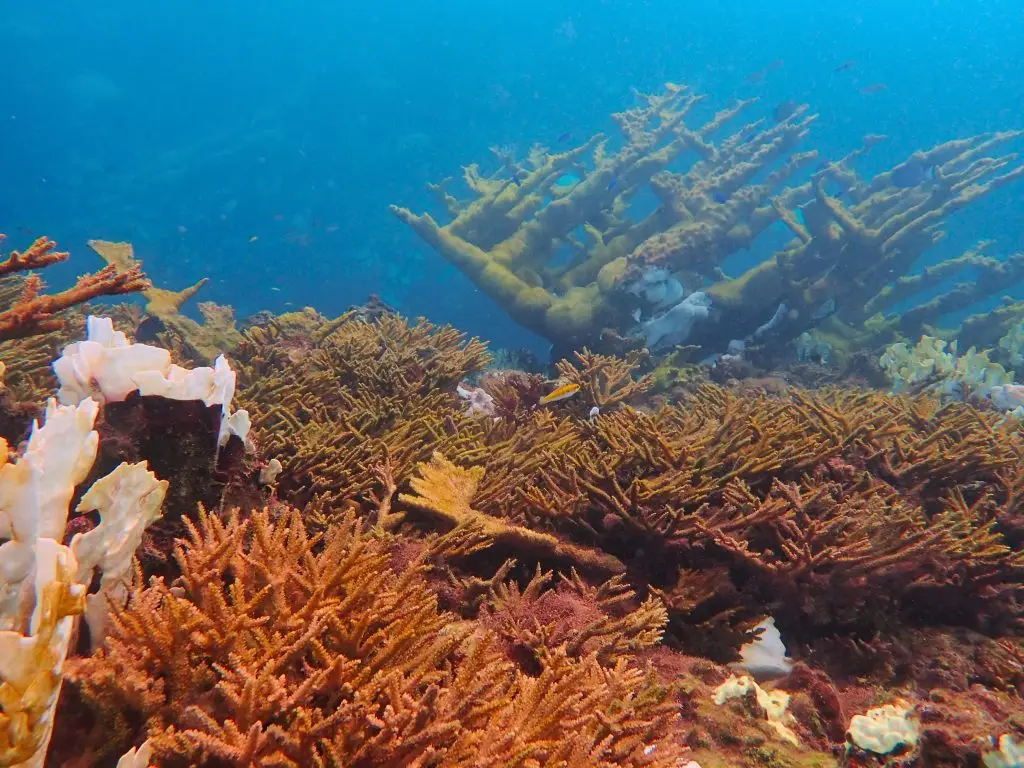
Other territories have either lost these species entirely in the wild, as in Florida’s case,” says research lead Felix Charnley, “or they have yet to find themselves at the epicentre of a heatwave in such a way that it enables them to clearly determine the long-term winners from the losers. That’s how we know we’re banking uniquely on climate-adapted genetics and possibly some of the best in the Caribbean. The question is, how fast can we grow them out and do everything in our power to ensure they persist beyond another episode like 2023? Whether it is evacuation, assisted fertilisation, symbiont assimilation experiments to breed some of these thermo-tolerant traits into other populations, facilitating cross-border sexual pairing of individuals to scale region-wide variation, or moving corals around for assisted gene flow, that’s what we’re working towards.
Further reading:
www.derbybeachmarinesanctuary.org
The views expressed in these articles are for information only and do not represent the official position of the Caribbean Biodiversity Fund or its partners.