Country: Jamaica
Organization: Oracabessa Marine Trust (OMT)
Authors: Inilek Wilmot (OMT), Jhahneal James (OMT), Chanel Raynor (NEPA), Ginelle Brown (NEPA)
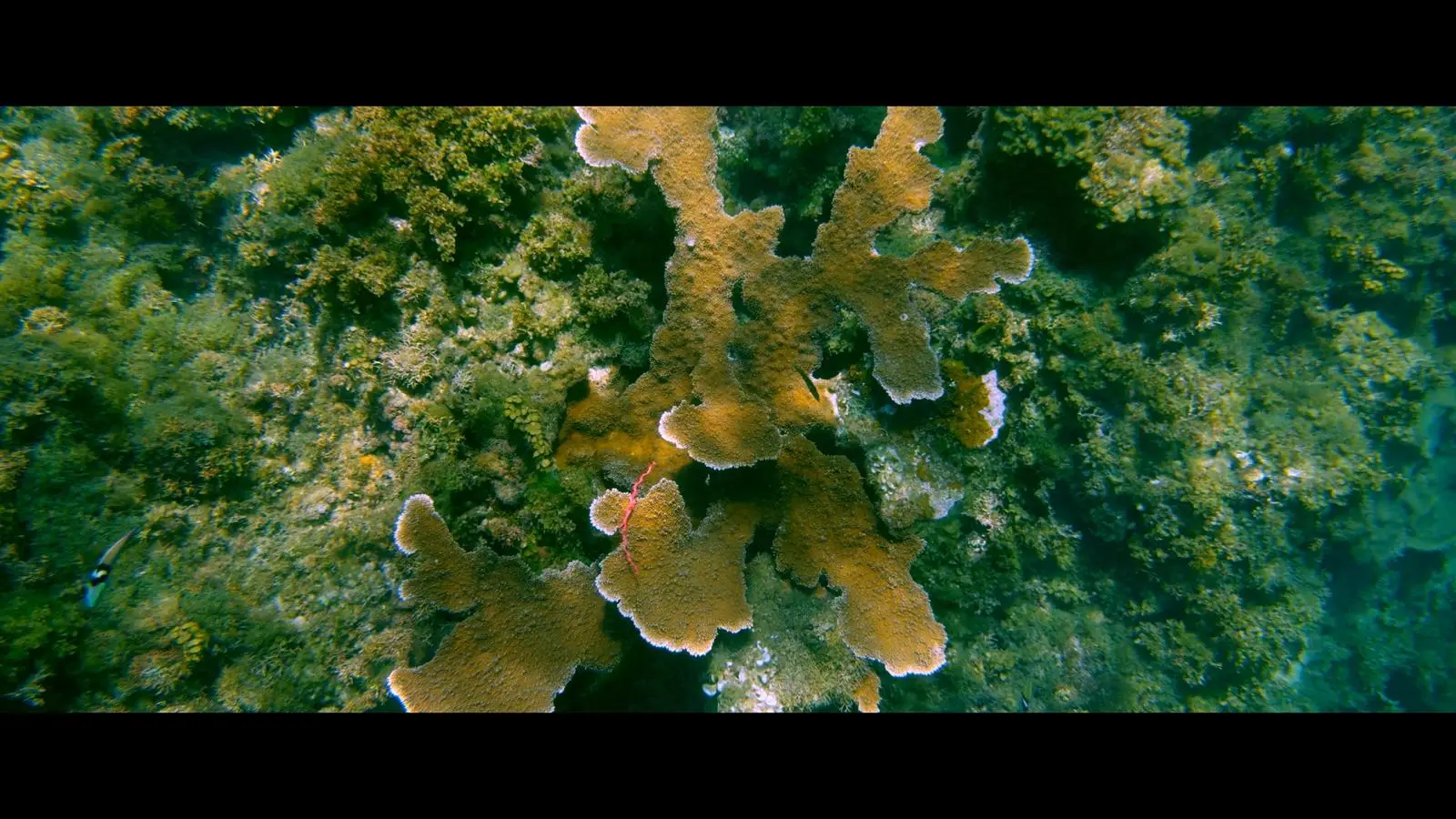
A rapid reef survey in western St. Mary, Jamaica has uncovered a rare hotspot of resilient Acropora palmata, offering new hope for coral recovery and critical insights to guide national restoration efforts.
A rapid coral mapping survey conducted by Oracabessa Marine Trust (OMT) between January and April 2025 has identified a significant hotspot of surviving Acropora palmata corals in the Port Maria area of western St. Mary, Jamaica.
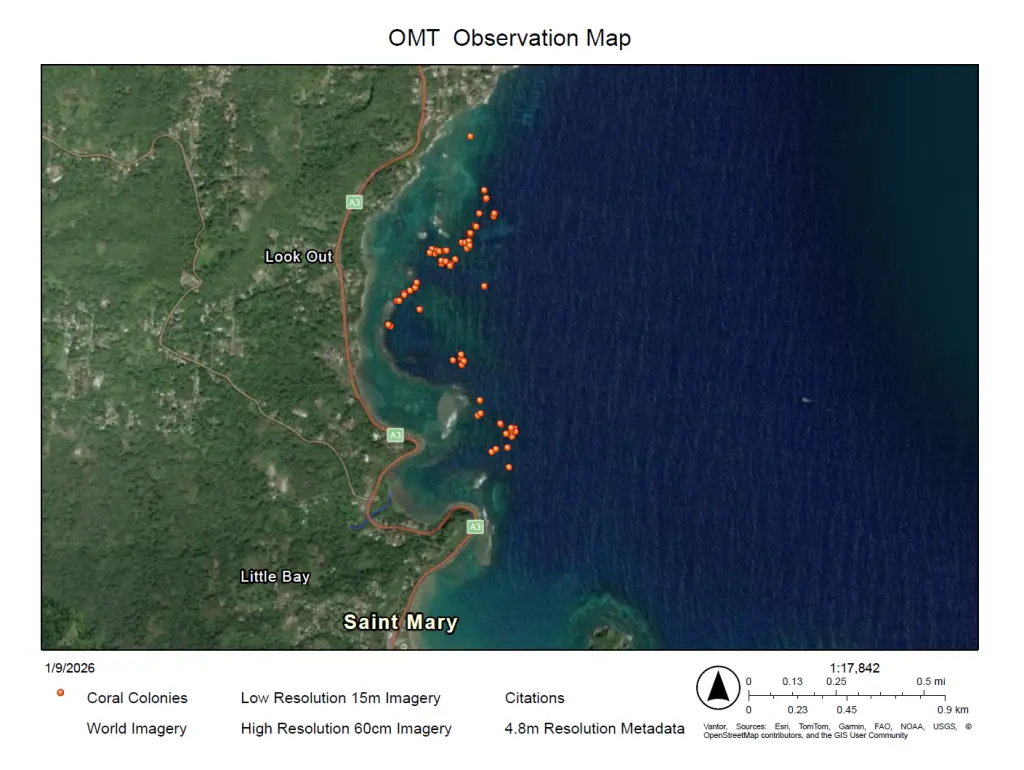
The survey, covering approximately 22 kilometres of coastline, is supported by funding from the Natural Resources Conservation Authority (NRCA)/National Environment and Planning Agency (NEPA) and the Ecosystem-based Adaptation (EbA) Facility of the Caribbean Biodiversity Fund.
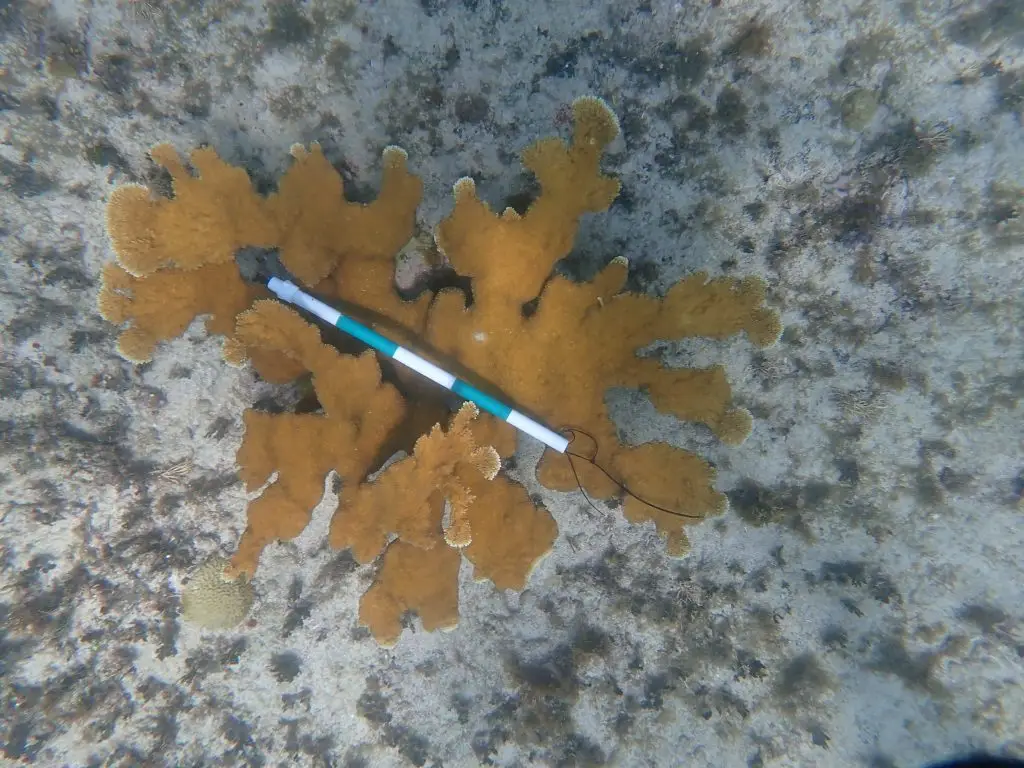
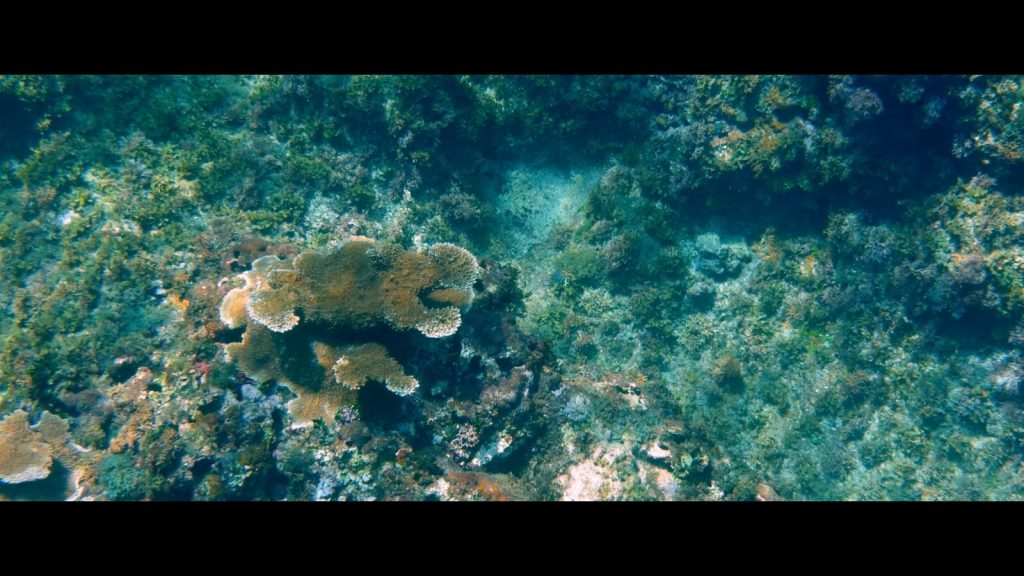
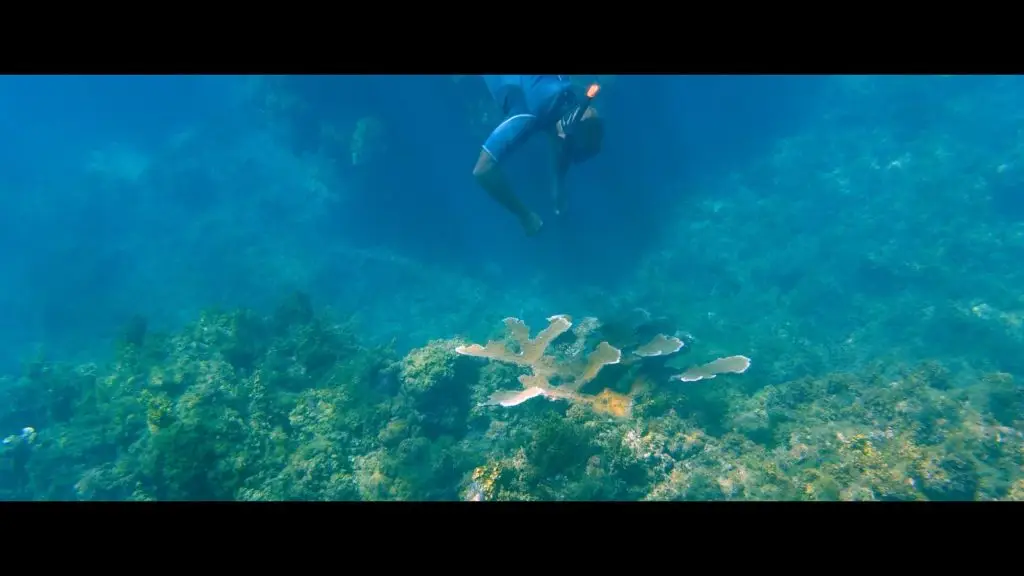
Within this survey, 71 healthy A. palmata colonies were recorded within a single bay, representing a rare and ecologically significant population. The reason for this localized concentration is not yet fully understood but may be due to favourable environmental conditions within the bay, increased tolerance to higher temperatures, or genetic resilience.
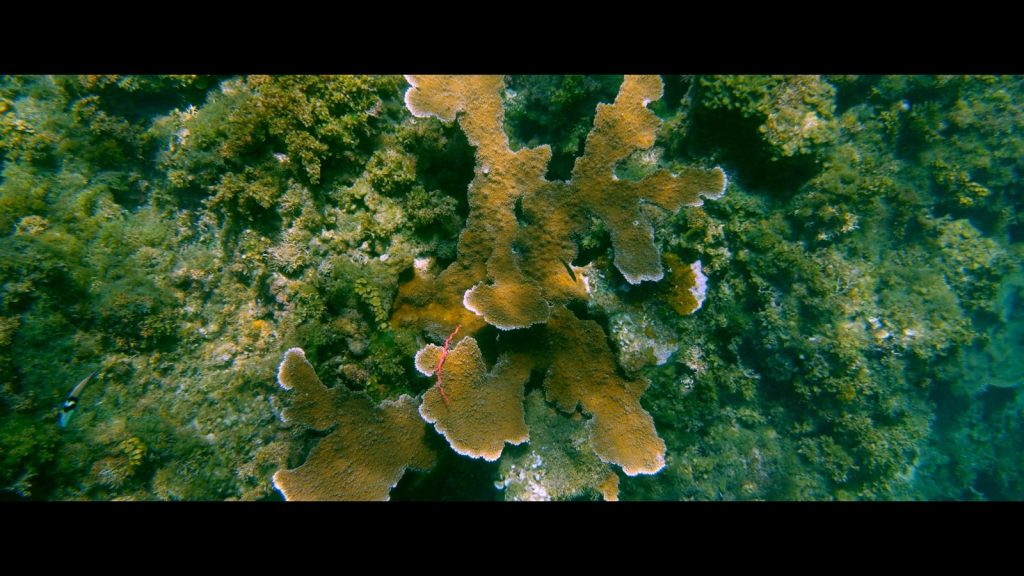
The spacing and growth patterns of the colonies indicate that most are separate individuals rather than fragments from a few parent corals. This increases the ecological significance of the site, as it may represent a naturally resilient population.
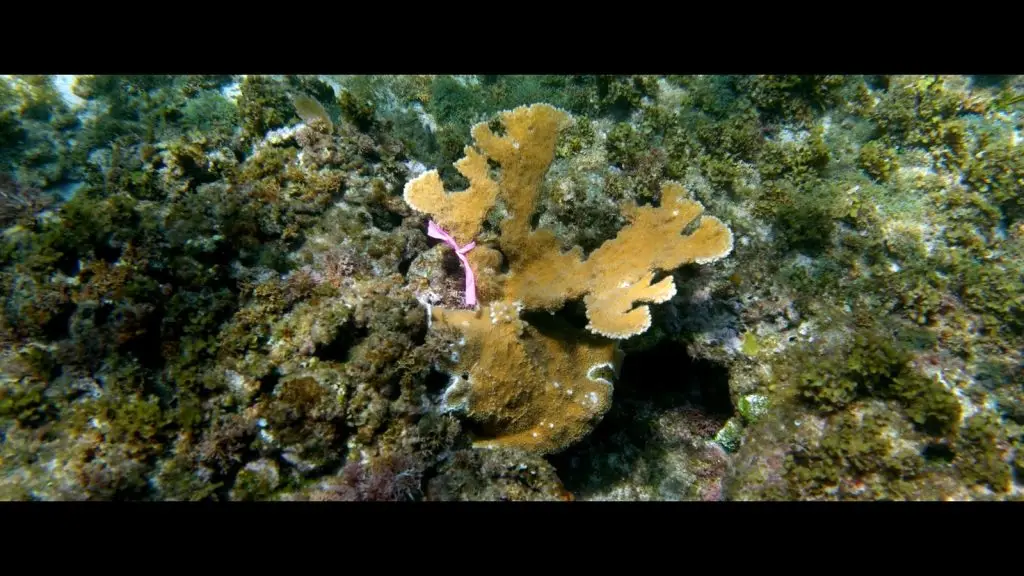
Acropora palmata coral colonies observed and documented during the surveys. Photo credit: Travis Graham.
Jamaica’s coral reefs are under significant threat from a combination of pressures, including pollution, diseases, and climate-related impacts. For the first time in the past decade, most of Jamaica’s coral reefs are ranked as “critical” (NEPA, 2023).
In response, NEPA has led a coordinated approach to reef resilience and recovery. This includes targeted collaboration with Marine Protected Area (MPA) managers such as OMT, academic institutions, and non-governmental organizations (NGOs).
Key activities have included the mapping of threatened coral species that have survived major reef events, such as the Caribbean-wide outbreak of Stony Coral Tissue Loss Disease (SCTLD) and the 2023 global mass coral bleaching event, which severely impacted local coral reef systems.
This initiative aligns with Jamaica’s National Action Plan for Corals and Reefs, the Kunming-Montreal Global Biodiversity Framework, and the UN Decade on Ecosystem Restoration (2021–2030). It is particularly important as it provides critical data to guide restoration efforts, strengthen climate resilience, and support the sustainable management of Jamaica’s coral reef ecosystems.
OMT’s surveys, which are ongoing, aim to document the distribution and density of 18 coral species across the parish and assess the impacts of the 2023 global coral mass bleaching event on local populations.
These surveys will contribute to NEPA’s island-wide ongoing mapping project, implemented in partnership with five institutions, including OMT, and supported by the NRCA, to map over 100 hectares of marine area across five marine protected areas.
The data collected will be instrumental in guiding targeted restoration and conservation strategies across Jamaica’s reefs, while advancing national conservation targets.
The views expressed in these articles are for information only and do not represent the official position of the Caribbean Biodiversity Fund or its partners. The activities in Oracabessa are part of the Caribbean Biodiversity Fund (CBF) project “Strengthening regional climate resilience and supporting green economic recovery through ecosystem-based adaptation (EbA) and sustainable livelihoods in the Dominican Republic, Antigua and Barbuda, and Jamaica”. This project is led by the UN Environment Programme World Conservation Monitoring Centre (UNEP-WCMC), is co-financed by the International Climate Initiative (IKI) of the German Federal Ministry for the Environment, Climate Action, Nature Conservation and Nuclear Safety (BMUKN) through KfW, and is implemented in Oracabessa by the Oracabessa Marine Trust (OMT) in collaboration with other partners.